For the works made in the first semester of junior year, please ask the bosses to help me point out that there are only exhibition boards at present.
2026-05-05
Home Appliance
3871
13
27
关注
私信

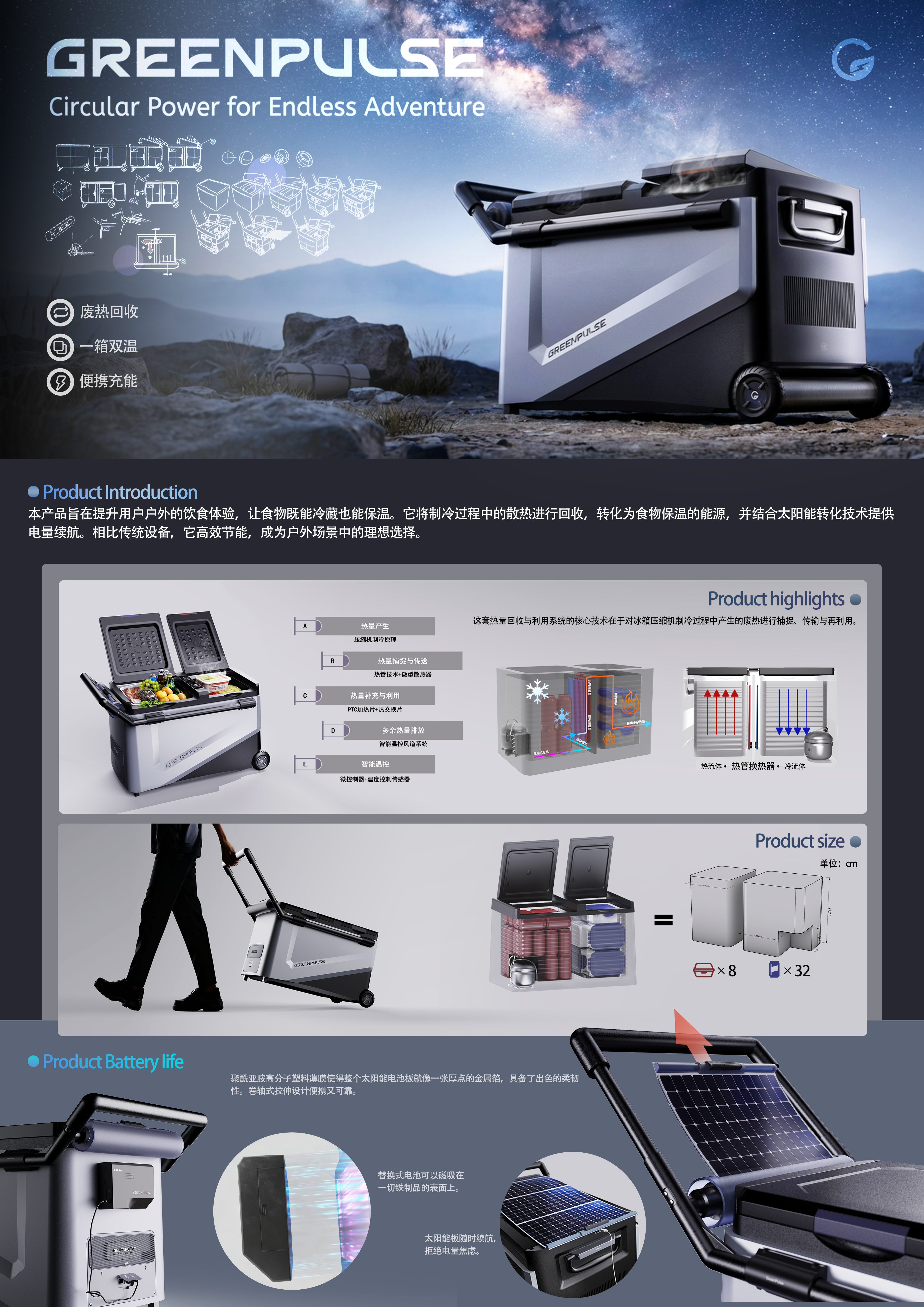
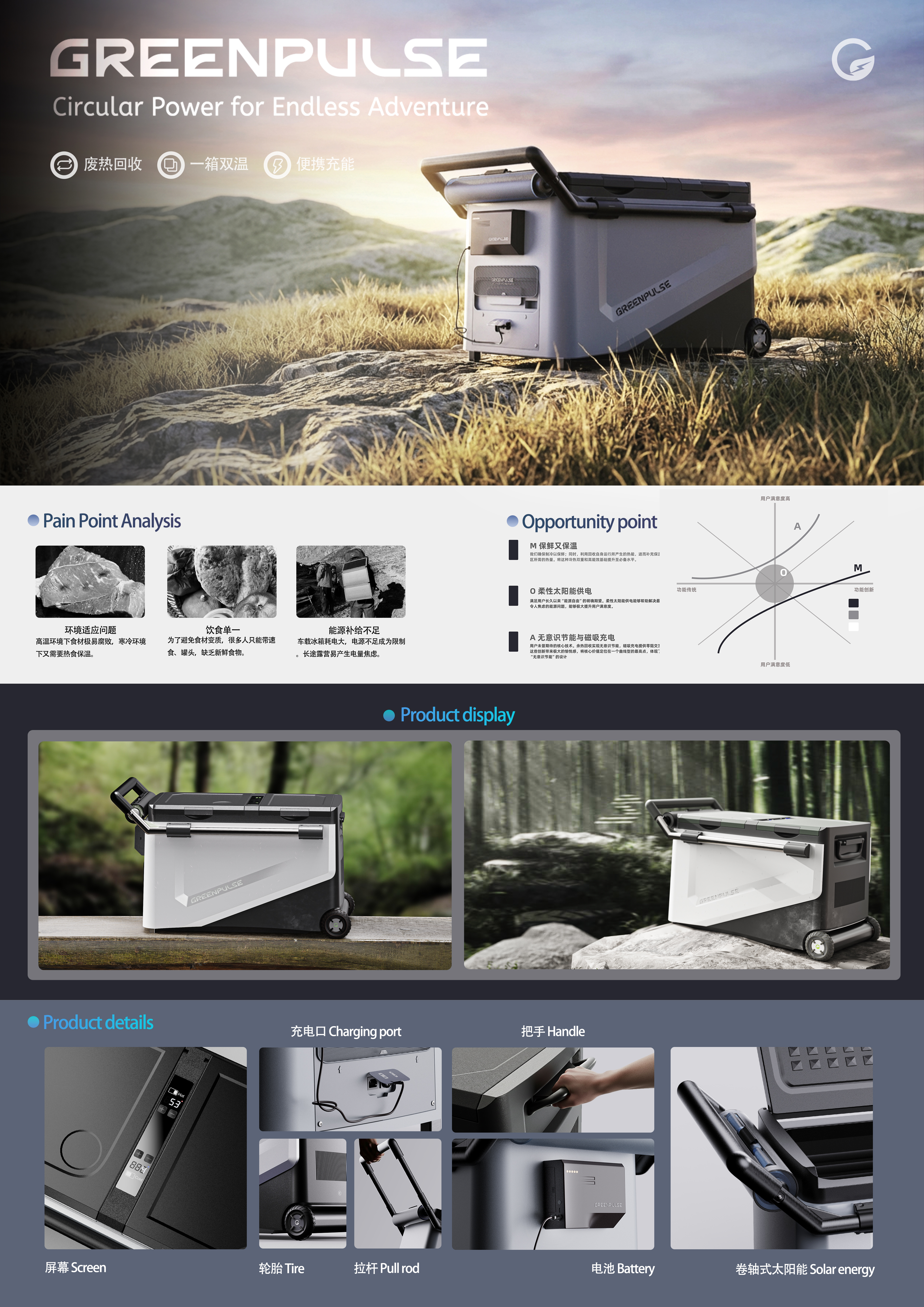
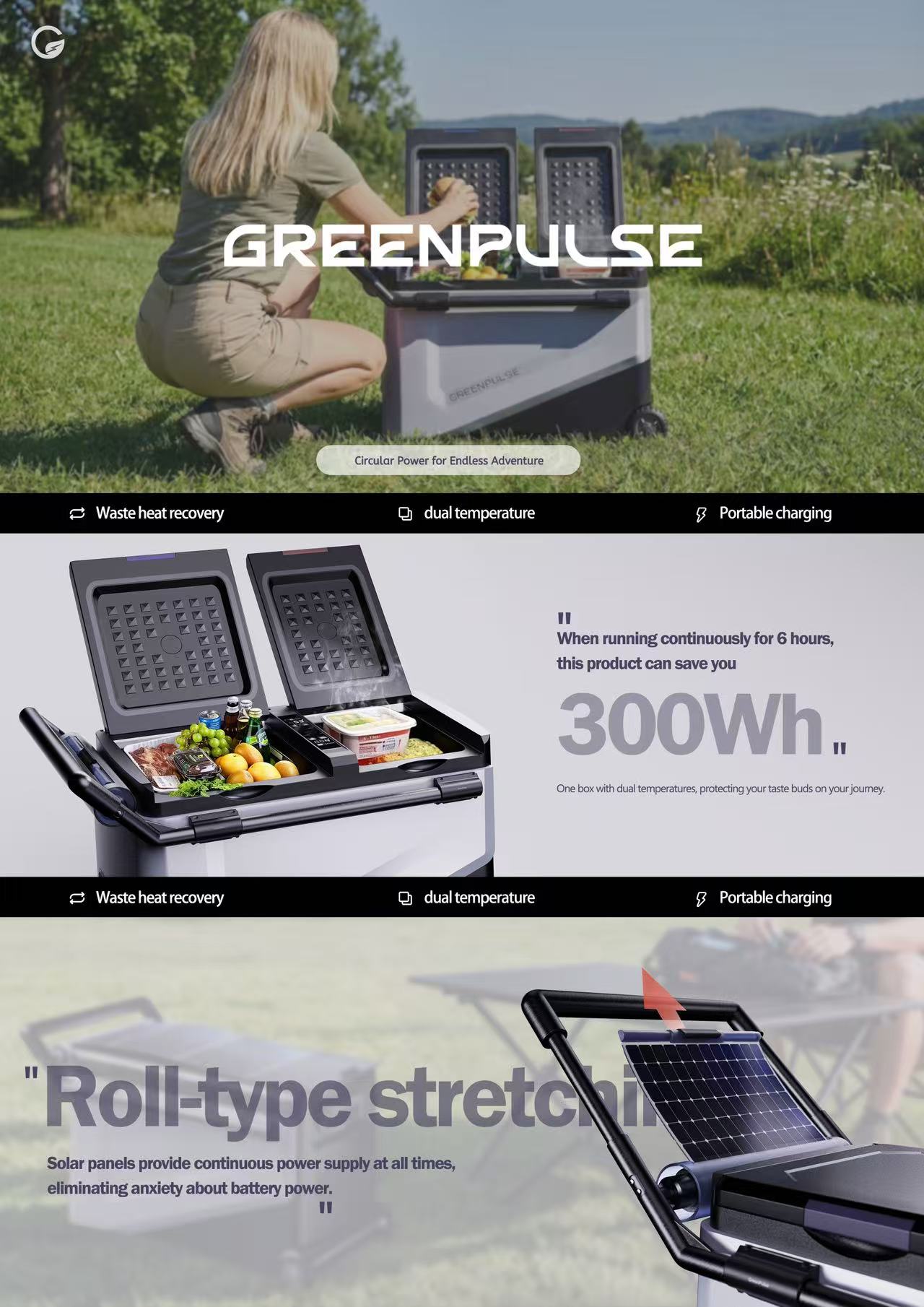
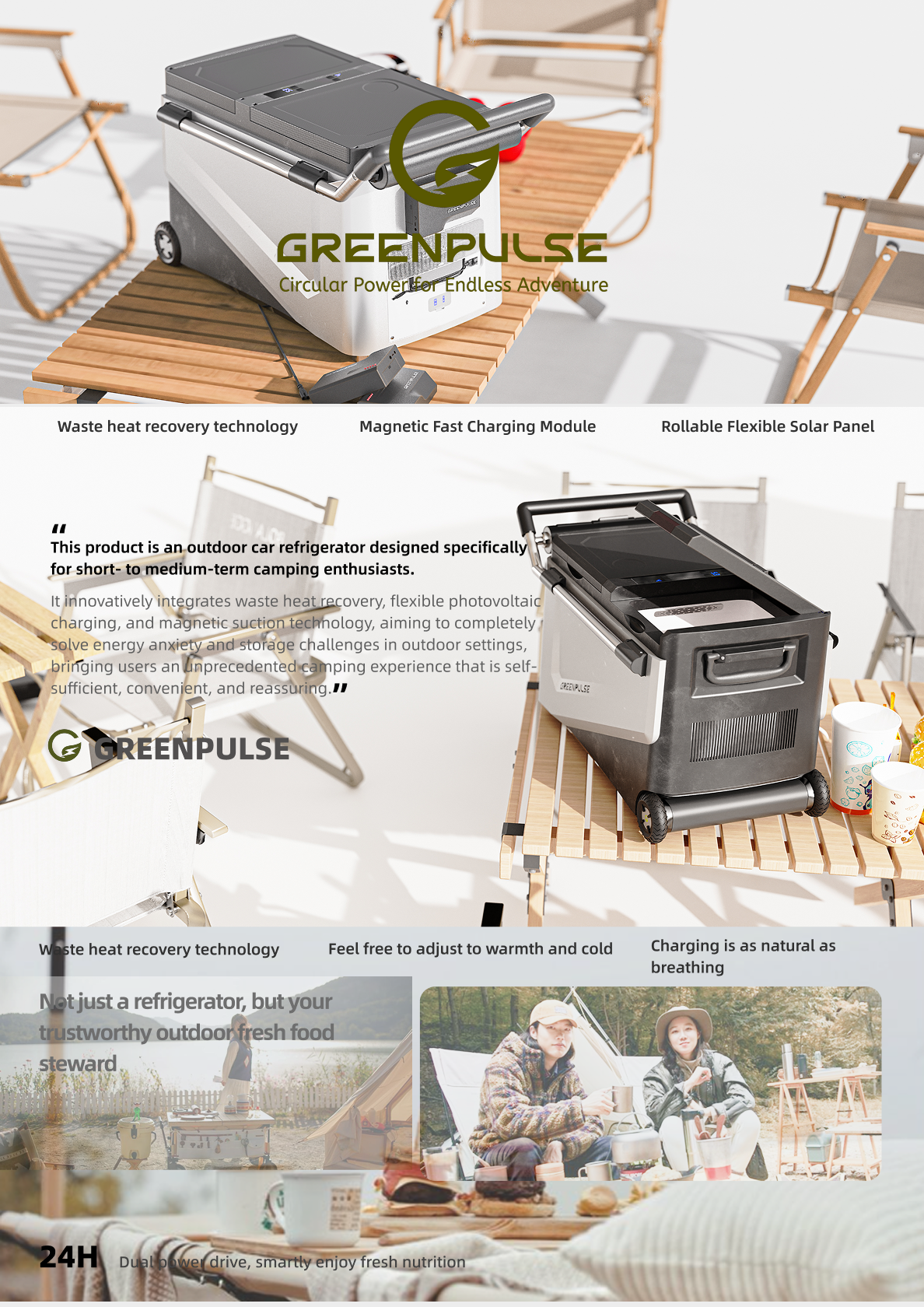


First of all, the product design: the product looks innovative and integrates the requirements of heat preservation and refrigeration. the innovation is there. the typesetting is OK. the design is also good. it looks a little heavy (after all, it is outdoors). the power supply endurance problem is also considered. the design also has a certain sense of science and technology. from the product design level, I think there are 89 points out of 10.
But the essence of innovation is: to solve the real unmet pain points of users in a lower cost and better way, while creating sustainable business value.
Next, I analyze from the market value level.
Heat preservation demand volume?? Since the cold preservation function seems to be more foreign user groups, is their demand for heat preservation a real demand, because I do not know the real situation of outdoor camping groups, so I use "?" is it just that I think I should cook my own food outdoors, or do I have to eat it all at once after cooking, and I am too lazy to cook it at night- -? Or do you mean to take out hot food if you don't cook it and worry about eating it cold?? The practicality of heat preservation needs to be questioned?
Then from the perspective of cost, if foreigners like to keep cold, drink cold drinks and add a demand for heat preservation, there is no doubt that the cost will increase and the price will increase. I actually have many solutions for the heating function from the perspective of cooking outside camping. Will users actually want to keep cold as the main demand priority? To take a step back, if I already have a cold box at home, what is my desire to buy this product? Is a market where homogenized products are serious and whether the product will be more attractive?
Why, in the market, do most coolers simply add a warming function? What real‑world data can you provide? Or which outdoor‑camping foods serve as staple meals and would benefit most from active heat retention? Only then will your innovation truly address users’ genuine, unmet needs—ideally, by clearly highlighting these pain points in your presentation.
Then from a lower cost to solve the user's real pain point point of view in fact, the design still needs to be improved
The best solution is to locate the products separately, keep the cold, keep the cold, keep the cold, keep the heat preservation, keep the heat preservation, and keep the heat preservation, so as to accurately locate the user's needs and avoid the user's need to bear the cost of keeping the heat preservation demand when purchasing this product.
If there are users who need both heat preservation and heat preservation, then the product is targeted at such groups, this kind of users should also be those who have no shortage of money to buy, so from this perspective, its market value may need to be considered. After all, the investment cost of developing this product can be quite a test of brand strength and operation level (unless your typesetting reflects the pain points of this kind of users and the number of users after investigation, small business owners dare not invest in it)
The tire is not on the ground.
The wheels are too small.
The tie rod is a bit abstract and can be modeled. The texture of the figure can be improved
Six thousand six hundred sixty-six
it looks very good
Come on!/Keep it up!