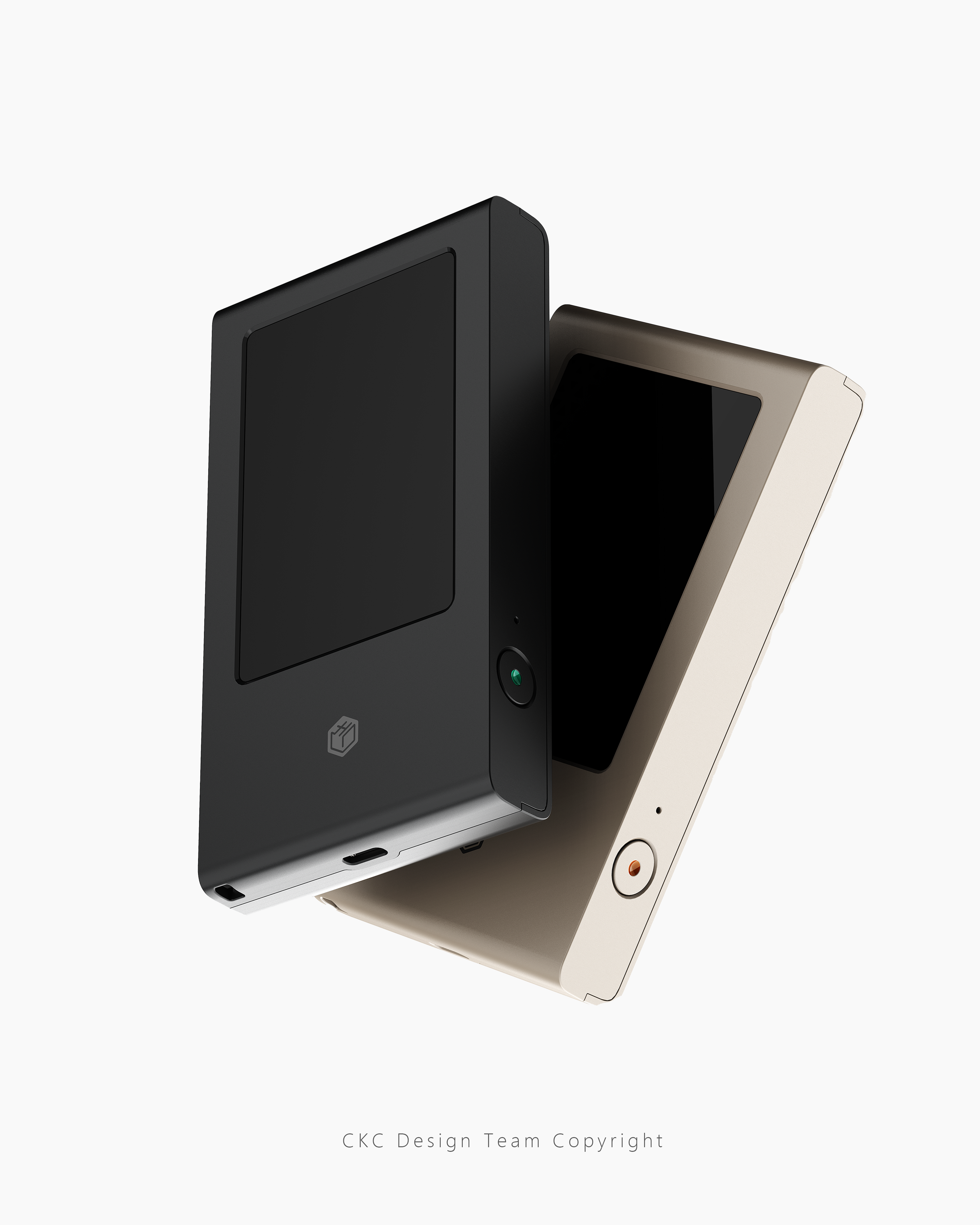
CKC is a portable wifi product designed by Jingdong Jingzao brand. This product is compatible with two completely different usage scenarios in terms of form and function, and is also a consensus transformation of the design symbols of the two teams based on product-brand relevance.
-User strategy behind product definition x Visual hammer bond between product and brand
As a mature category that has sprouted and precipitated since the beginning of the millennium, in our cognition, instead of deliberately pursuing the subdivision and differentiation of popular eyes in the stock market, we should perhaps try to strengthen the flow bonus of the platform itself and the cross-end supply chain advantages of the brand side to define and design a more universal product.
01 Execute Policy 」
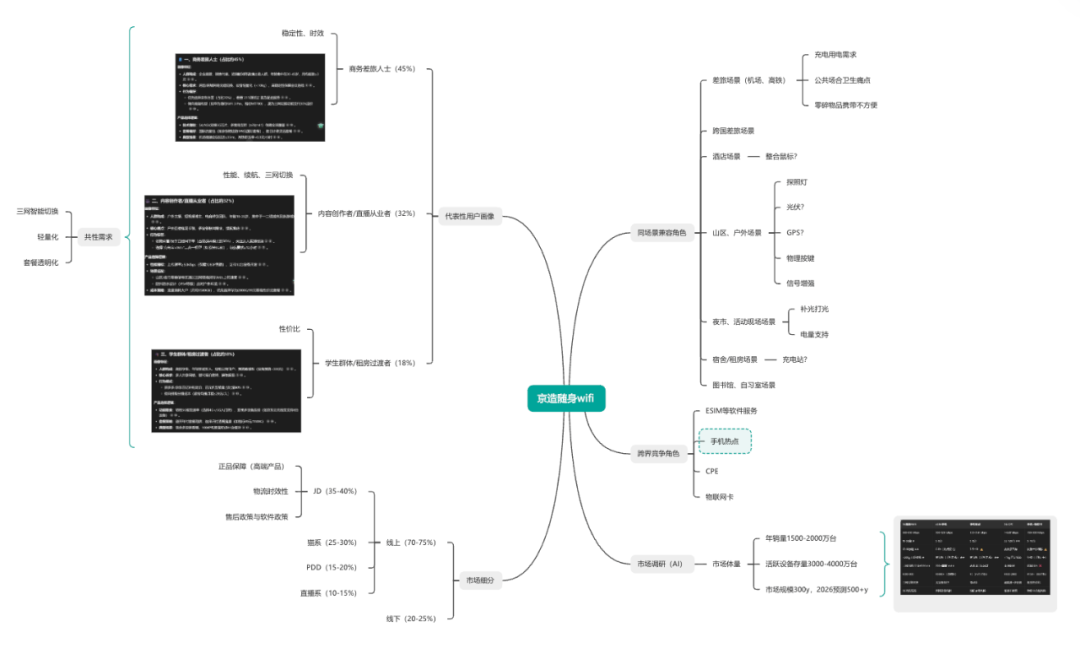
The requirements input by the Beijing-made team are to be compatible and adapted to the travel scenario and the scenario where the rental house is flat for the router. In the initial phase of the project, we reverse and restore the user portrait in conjunction with this requirement, initially focusing on potential user groups, and further subdividing the scene to explore opportunity points.

During the initial research, whether it is to carry out rapid and large-scale retrieval with the help of AI tools, or to conduct in-depth and detailed interviews with accurate user portraits provided by Party A's team, we have found that potential target users have some relatively common cognitions: as a rigid demand product in subdivided scenarios, what users really pay attention to is the hardware strength of portable wifi products-the speed and stability of network connection, the durability of endurance, the ability of switching between three networks and the cost performance of packages. These competitiveness dimensions seem to stay in the software service and hardware parameters themselves. How to reinterpret and package a rigid demand product through design means to make it have new identifiability in the homogeneous market, this problem naturally becomes the core topic of this project.

Give a new form of product differentiation through the deconstruction and reorganization of hardware.
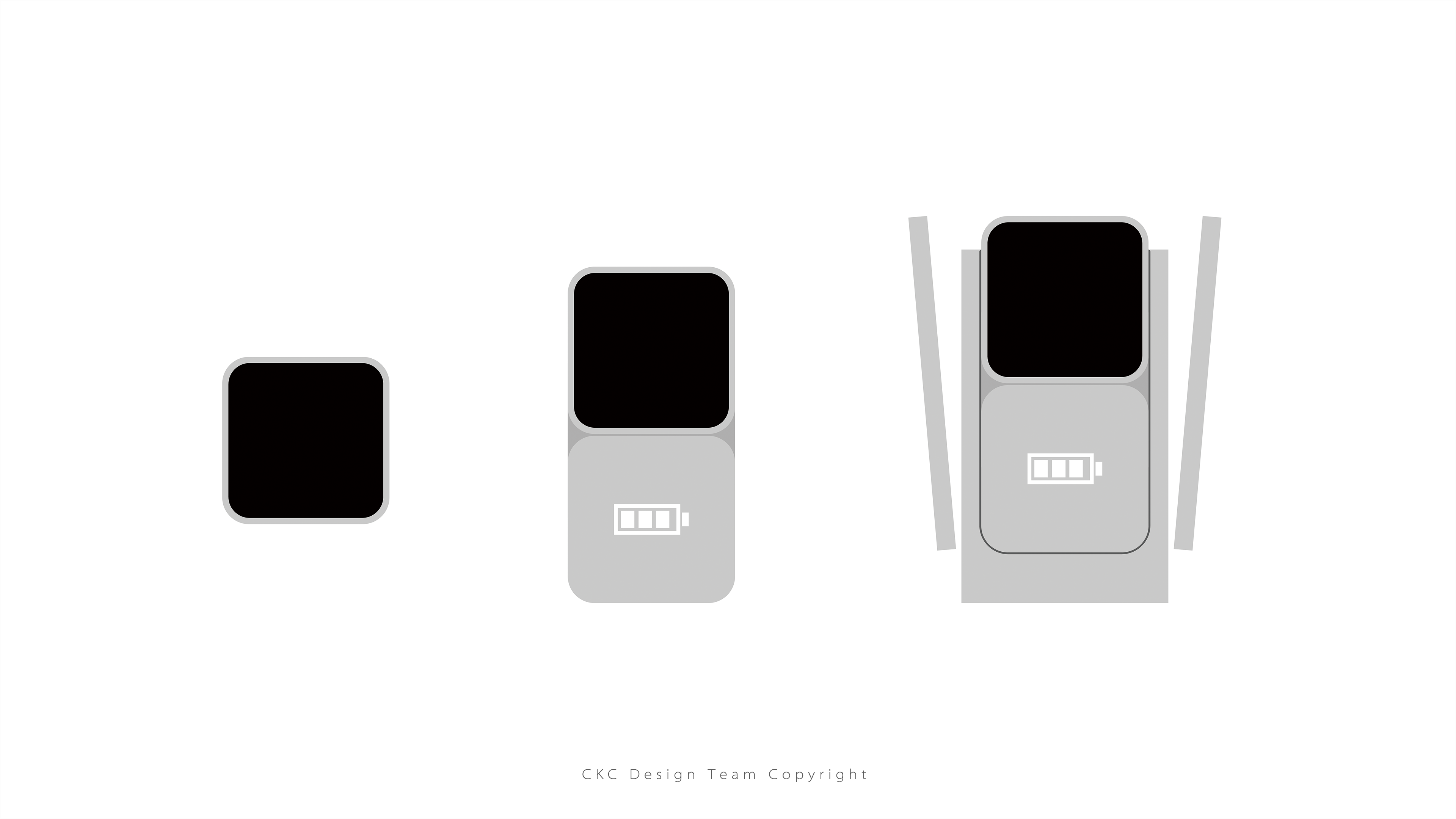
Starting from the extreme dimension of product innovation, we propose a prototype scheme that breaks the boundary between Mi- Fi (portable wifi product with its own battery) and U-Fi(U-disk type portable wifi product without battery). This product form consists of a pair of signal transmitting modules connected through magnetic contacts and corresponding battery modules. Under such a combined product form, users can not only carry a complete product combination to meet the needs of long-lasting usage scenarios, but also carry an extremely portable signal transmission module to match the use of charging treasure, or use reverse power supply of mobile phones and other devices to meet the needs of multi-device stable network usage in extreme emergency scenarios.


Shaping identifiable functional characteristics for products by segmenting the satisfaction of pain points
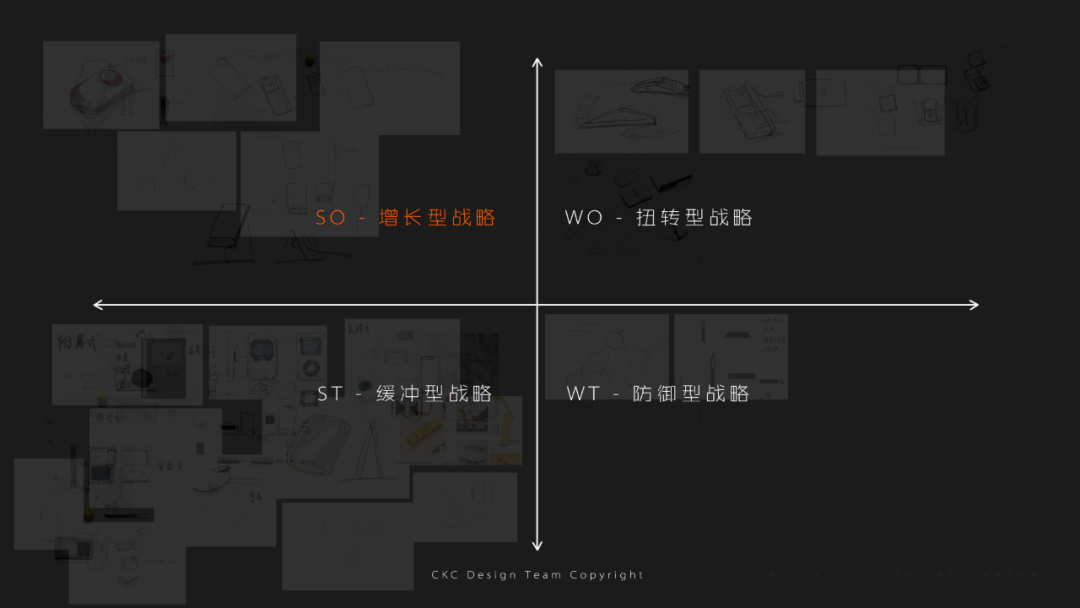
Considering that the new product structure layout and technical principles may not be well adapted to a fast-paced development project that has already been put on the agenda of a listing node, we have also tried some possible opportunity points in a reasonable depth from the dimension of meeting some subdivision pain points, including but not limited to the following concepts:
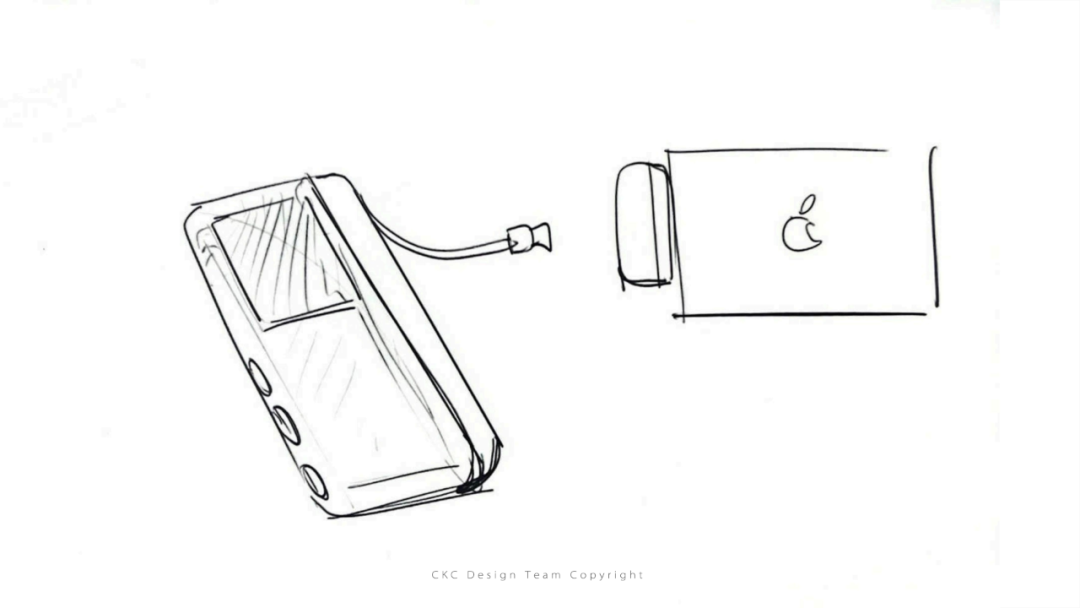
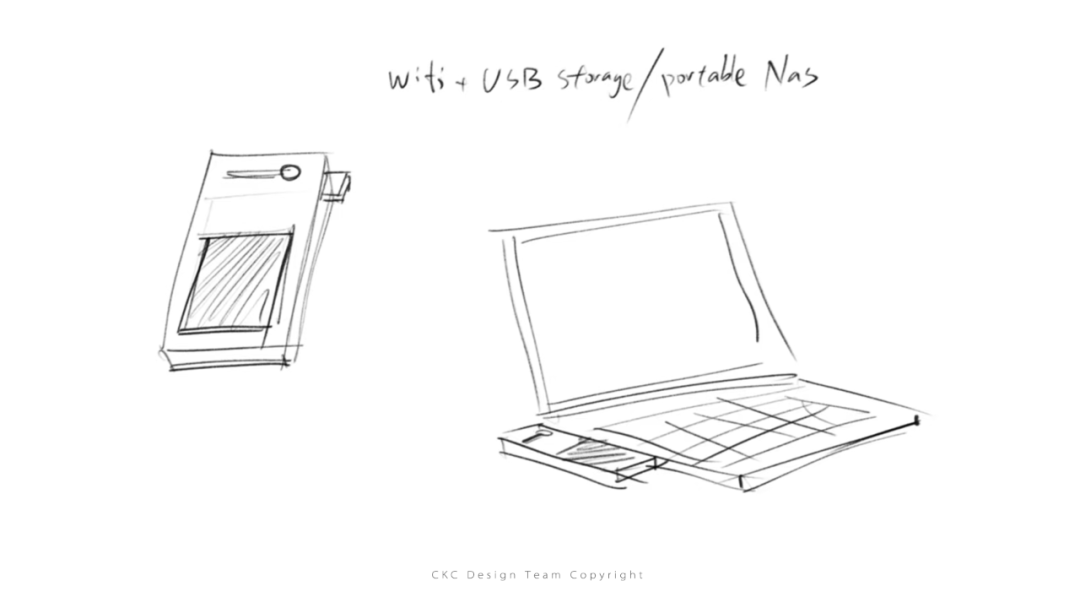
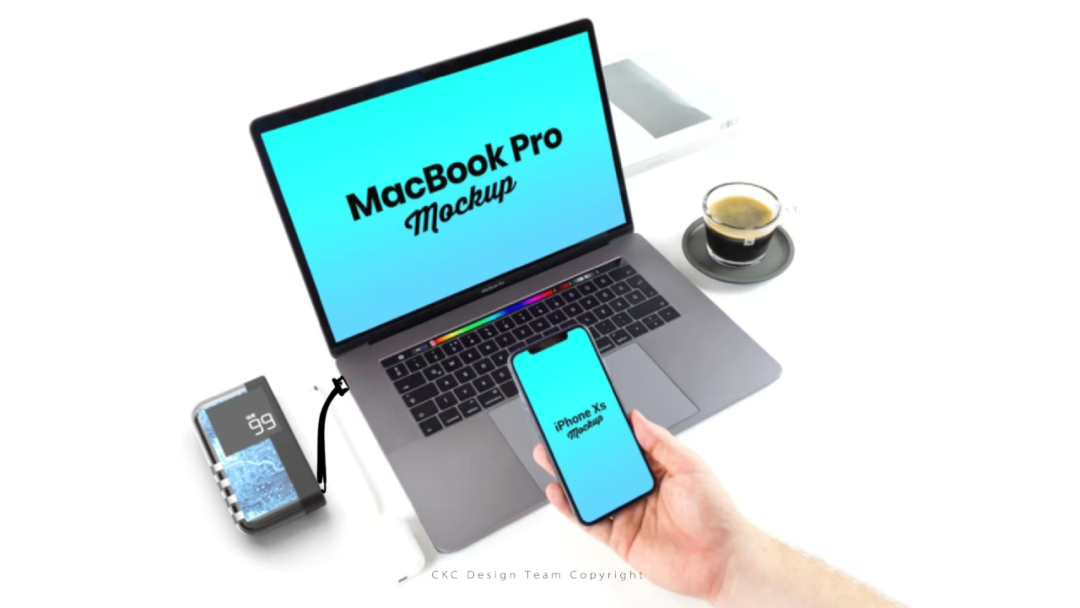
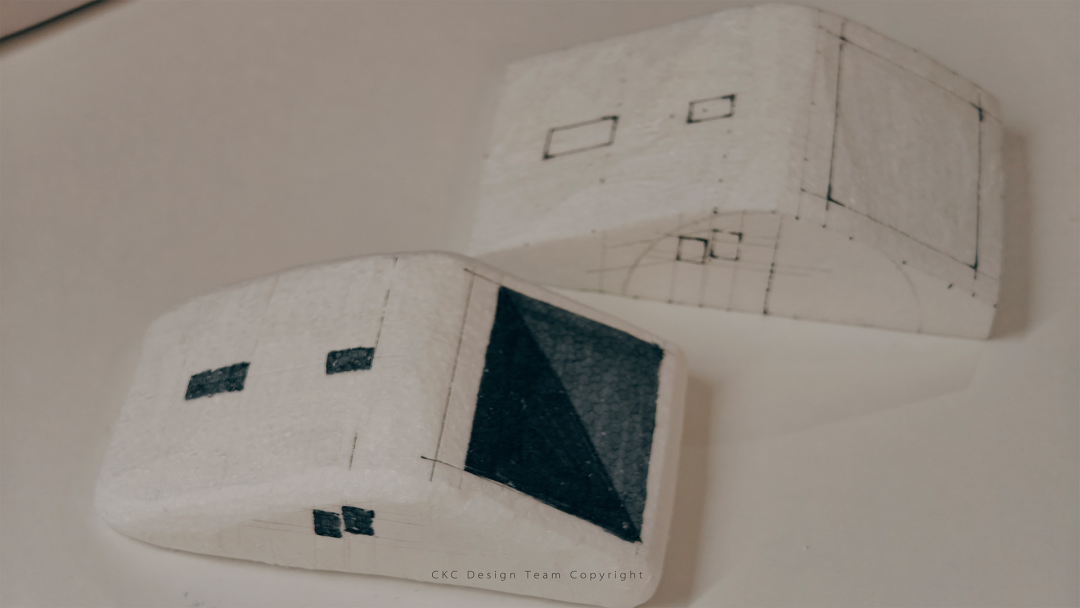
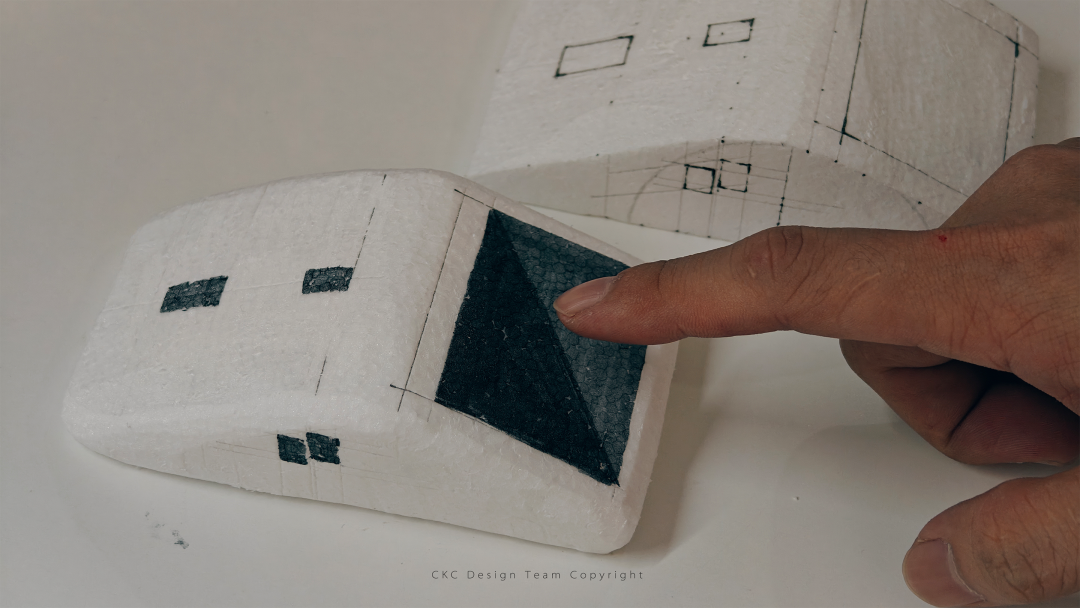
01. In addition to mobile phones, the main equipment often associated with portable WiFi devices is usually notebook computers or tablets. From this perspective, we have made some interesting peripheral attempts;
(mac is recognized as the mainstream model in mobile office scenarios. In view of the high price of mac storage particles, low interface richness and high dependence on network signal sources due to the lack of self-contained e-sim, we have made a matching subdivision peripheral form)
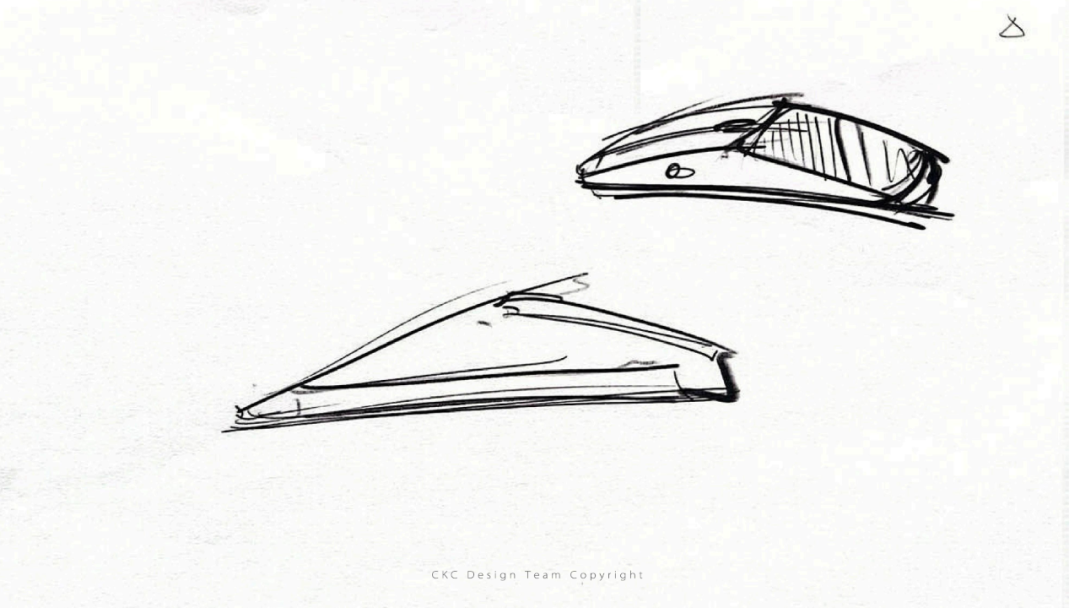
(The peripheral form is directly defined as the combination of mouse and wifi signal transmitter?
A very bold idea, and seems to be quite reasonable under the cross-category supply chain integration capability built in Beijing)
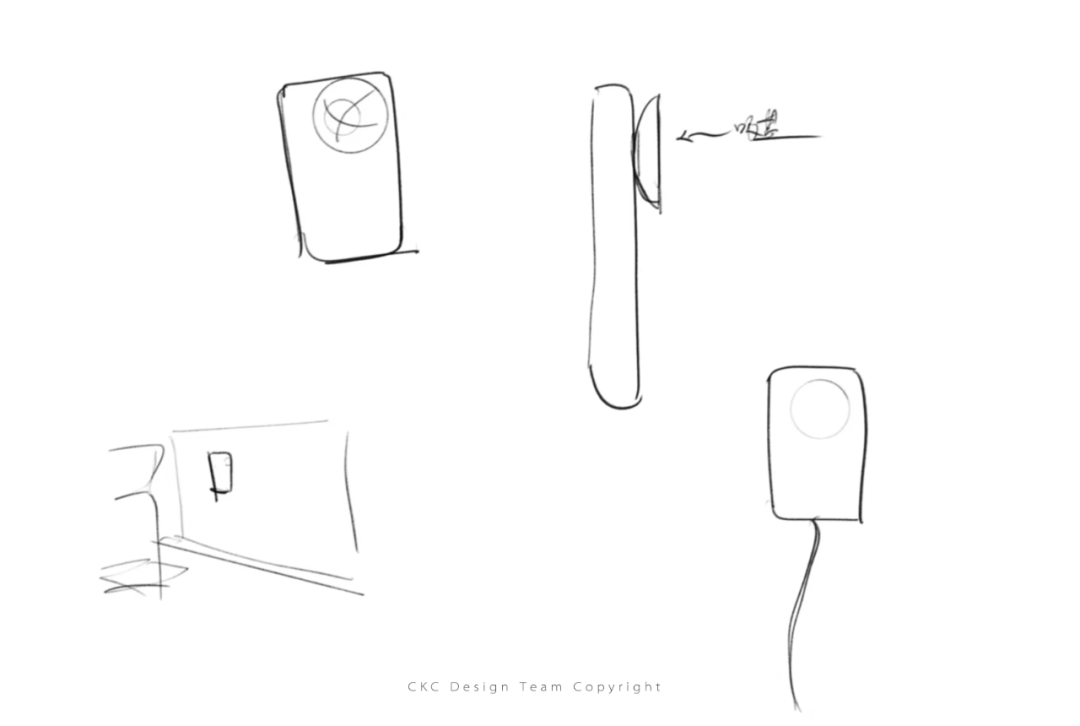
Seize the unconscious behavior of consumers "looking for signals" and transform it into detailed functional characteristics on the product;
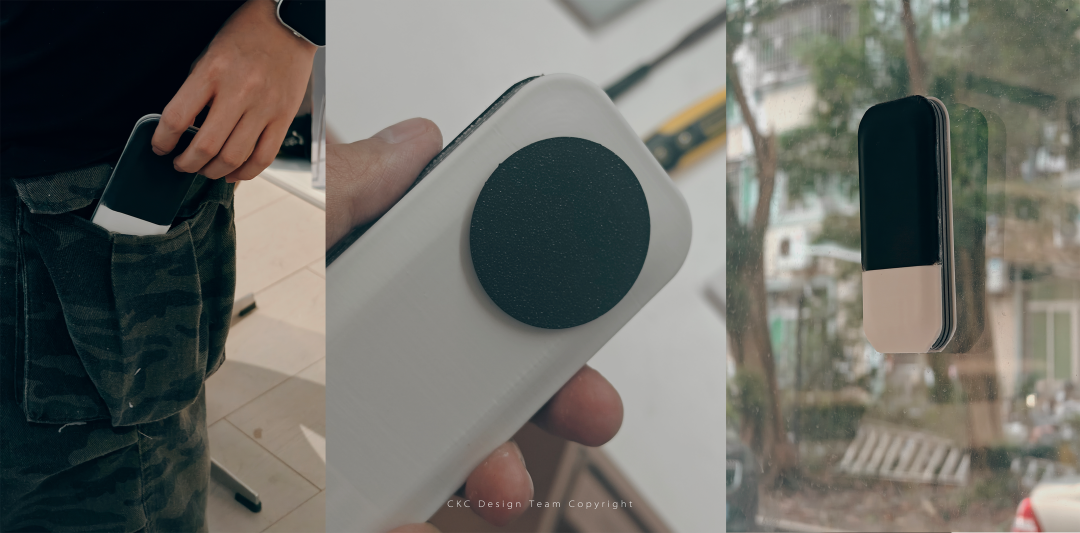
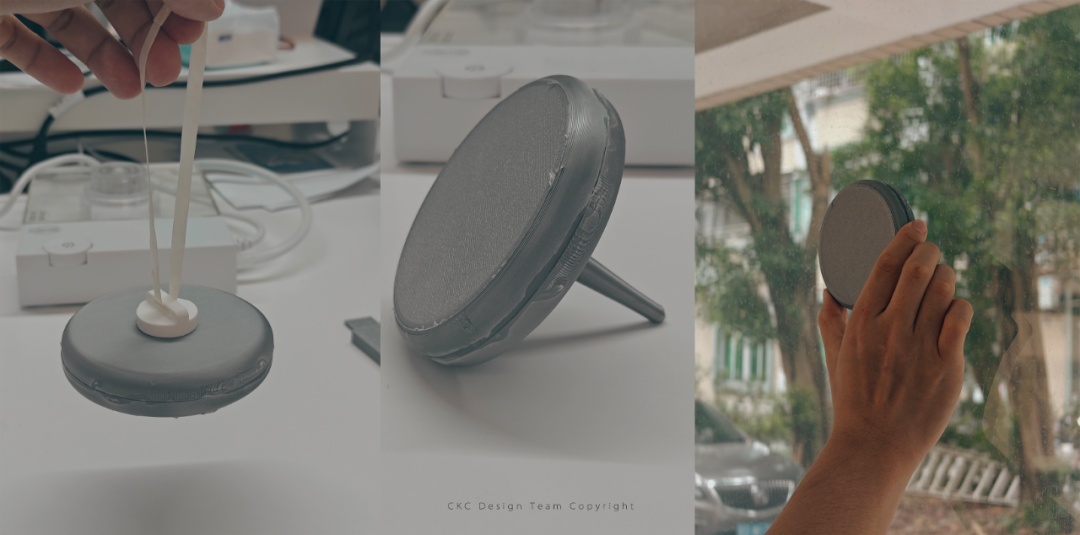
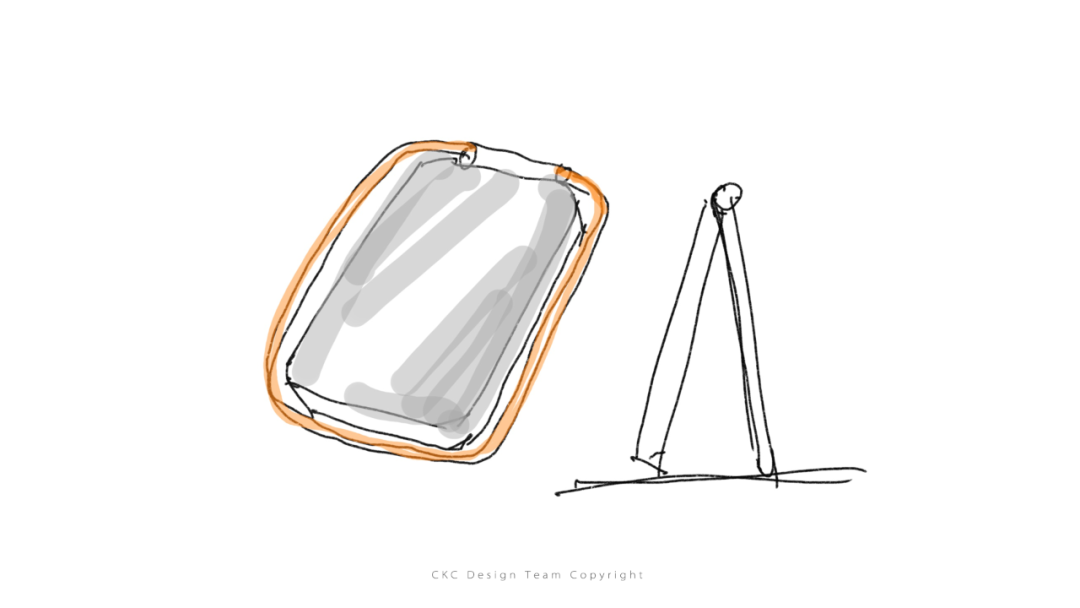
(In a conceptual scheme, we designed a suction cup structure for the main body of the fuselage, which is convenient for users to attach the product to
Walls, high-speed rail windows, etc., where it is convenient to receive signals more intuitively)
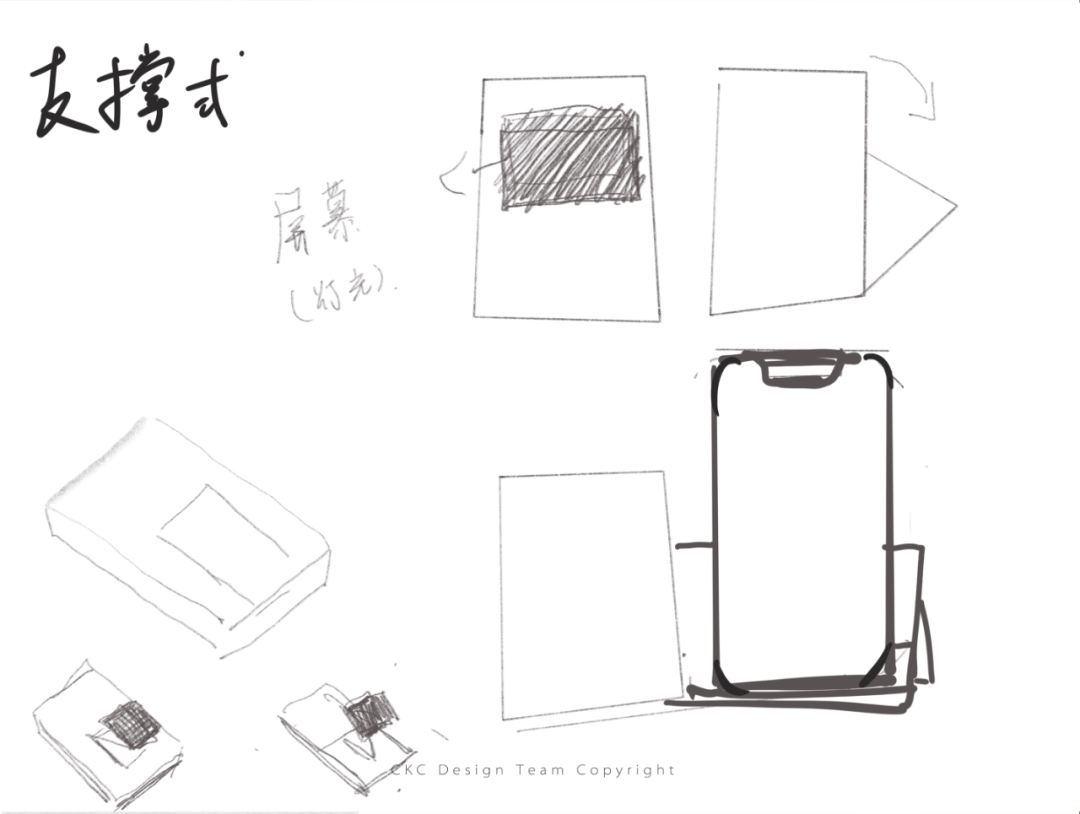
(Even a more expansive form-both portability and facade attachment,
and matched with bracket accessories to facilitate better orientation in the direction of more efficient signal reception on the placement plane)
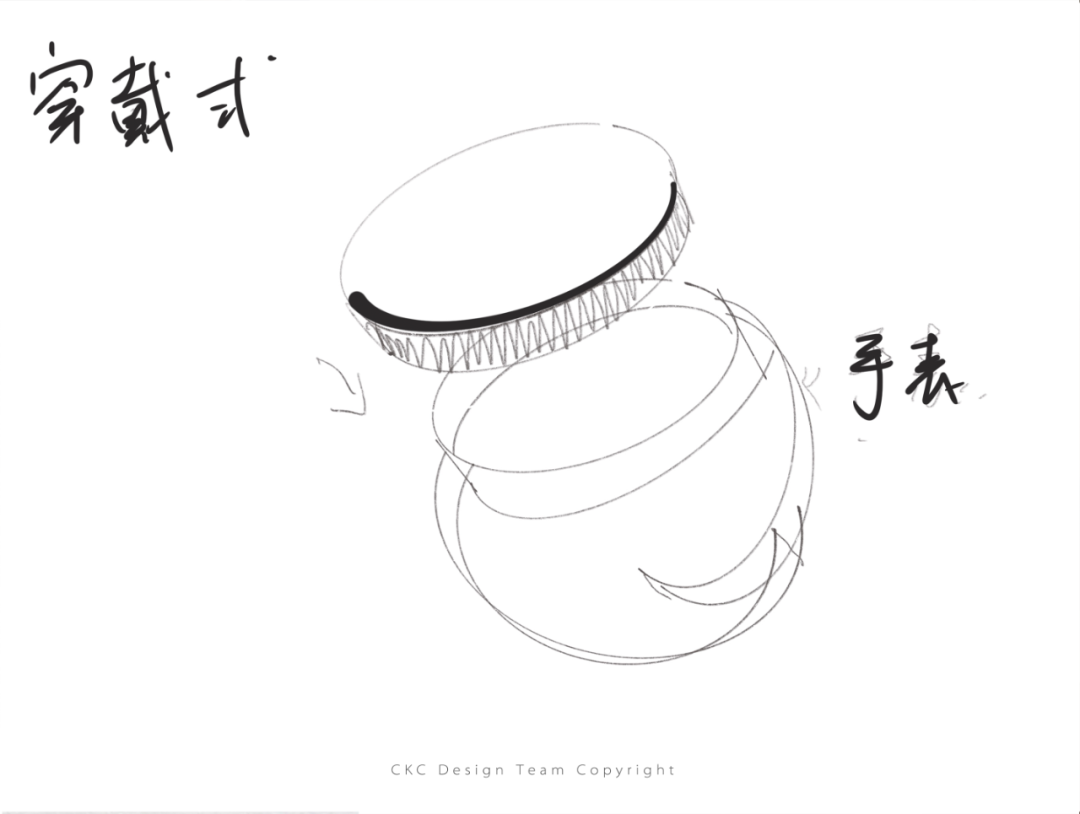
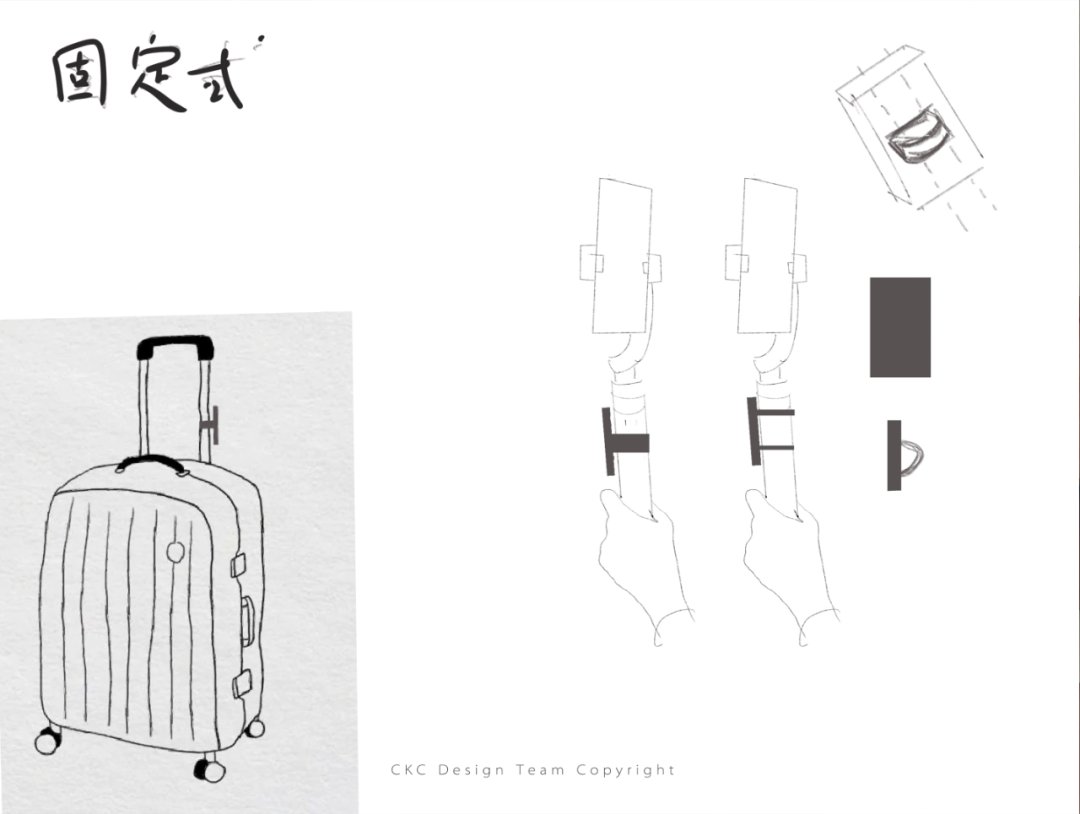
03. Exploration of the carrying mode of some subdivided products around the travel scene;
04. Integrate product forms around user pain points in big data traffic consumption behaviors such as short videos, dramas, and online conferences.
Through the exploration and empowerment of emotional value, the product has the "desire to be taken out"
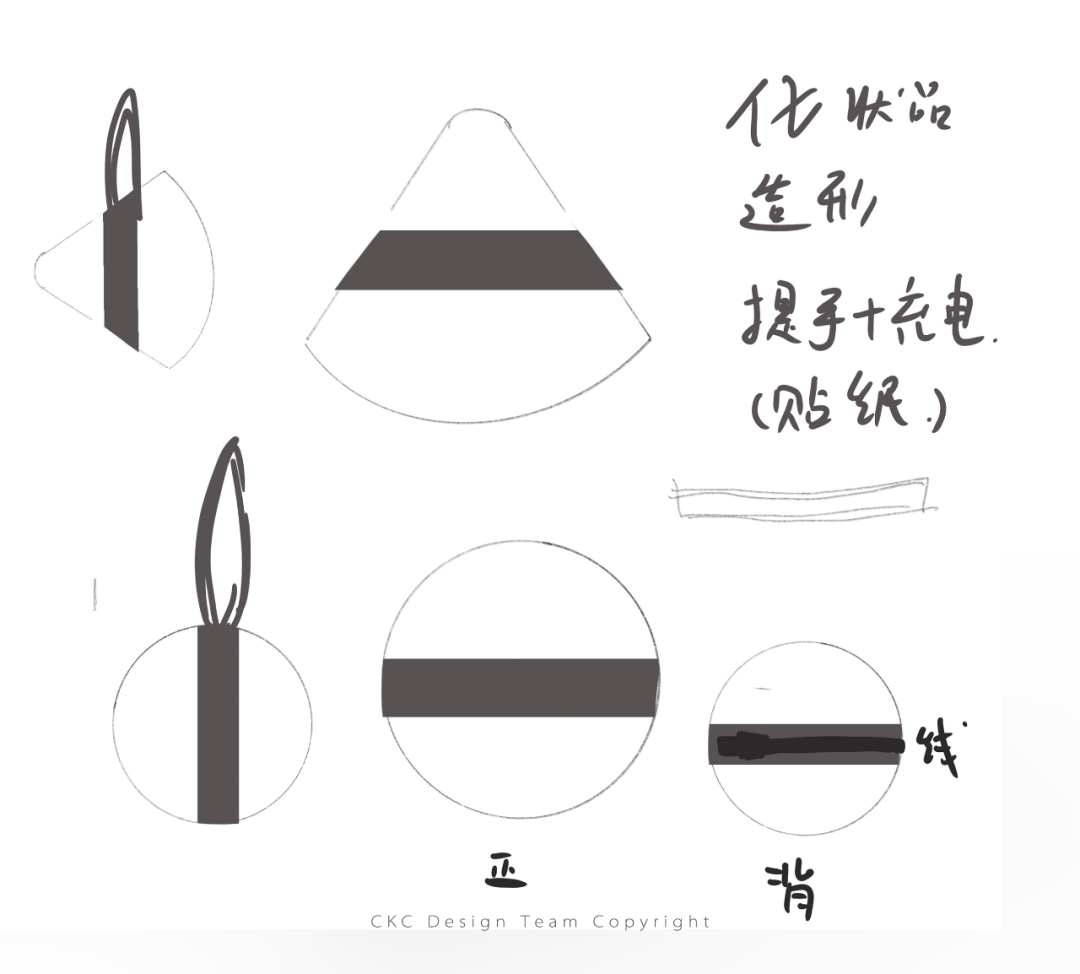
Although the rigid demand attribute is stronger, the portable wifi product is very similar to the charging treasure to some extent-it needs to have the characteristic of "being willing to be taken out", whether it is decorative attribute, social attribute, self-pleasing function or simple carrying experience optimization;
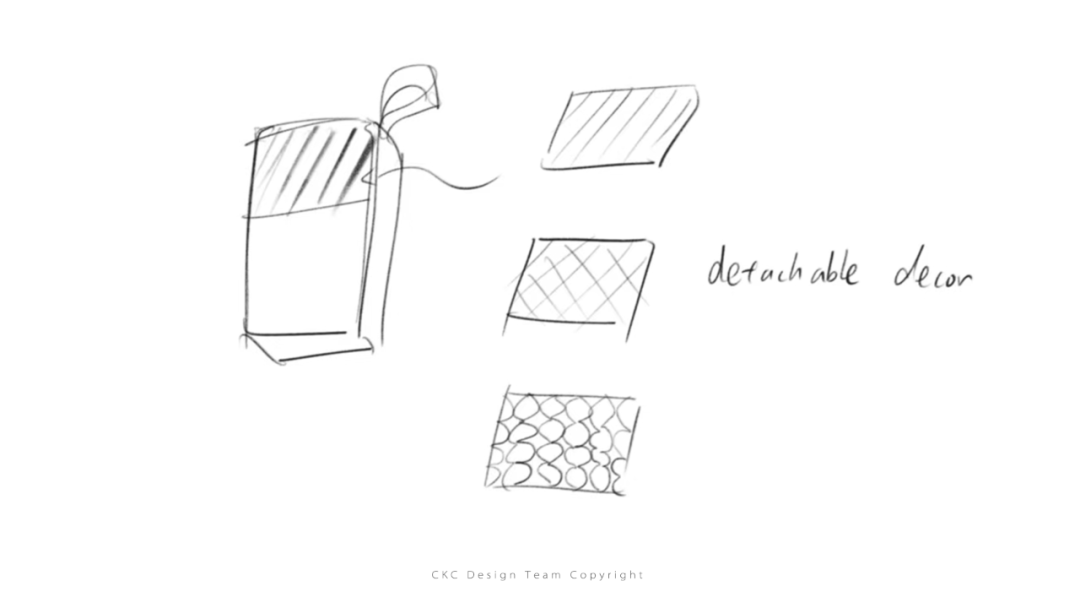
01. Can replace the magnetic decorative panel, can be a mood piece, can also be a certain functional makeup mirror;
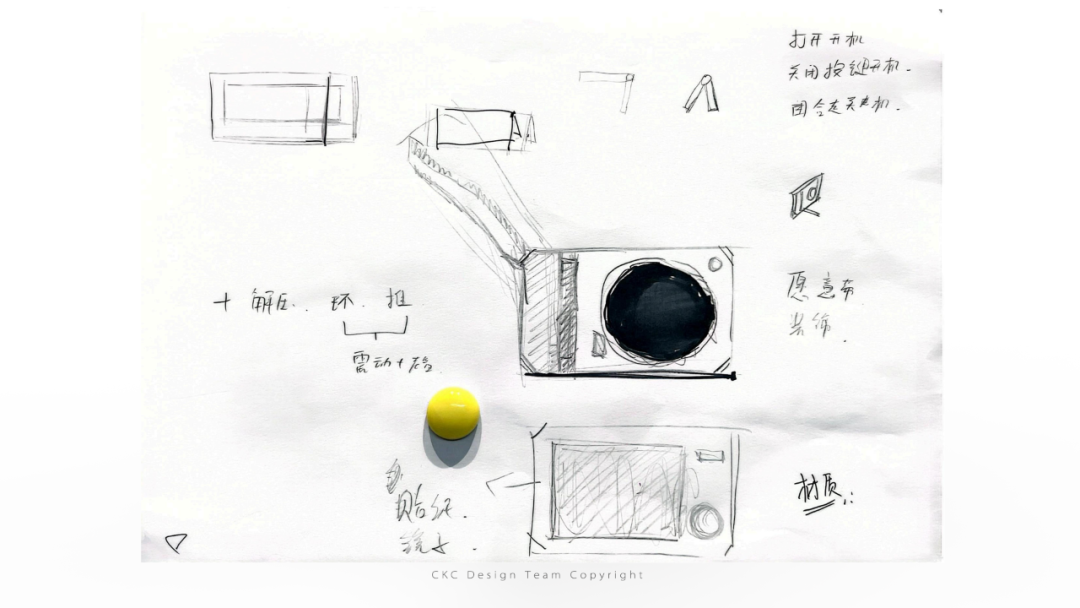
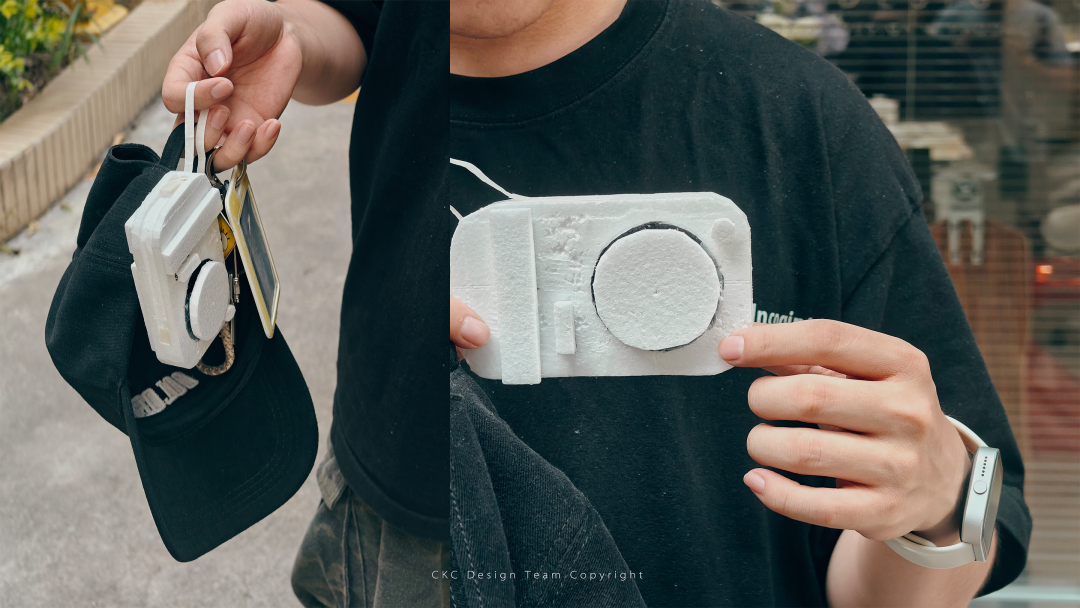
02. Make the product more like a small ccd camera, from the perspective of accessories, matching the user's mental cognition;
03. Some more intuitive experience optimization, through the design of the two-stage bayonet with its own power supply line, the power supply line can be turned into a portable portable portable belt.

From the perspective of product identification, shaping the relevance of products and brands
As the strategic direction for the project to finally land, the final consensus between the two sides in this direction is actually within our expectations.
As the self-owned brand of jingdong platform, in addition to developing a brand-new category, in conventional projects, jingzao is not as urgent as many start-up brands need to rely on the differentiation of extreme segmentation to gain a place in the market. instead, what it needs is more of a model on the premise that production capacity can support flow and cost can support profit space, can maximize the use of the power of design to optimize the details of the use of experience to adapt to more users, rather than excessive personalized appearance led to the narrowing of the audience breadth of universal products.
On this basis, the endorsement of Beijing-made brand relying on Jingdong platform will be a key consideration for users to choose Beijing-made portable wifi after they know many products based on their needs. Considering from this perspective, it is not difficult for us to think that giving this product an auxiliary characteristic element that can be clearly related to the Beijing-made brand will be a good opportunity to enter.

02 Solution 」
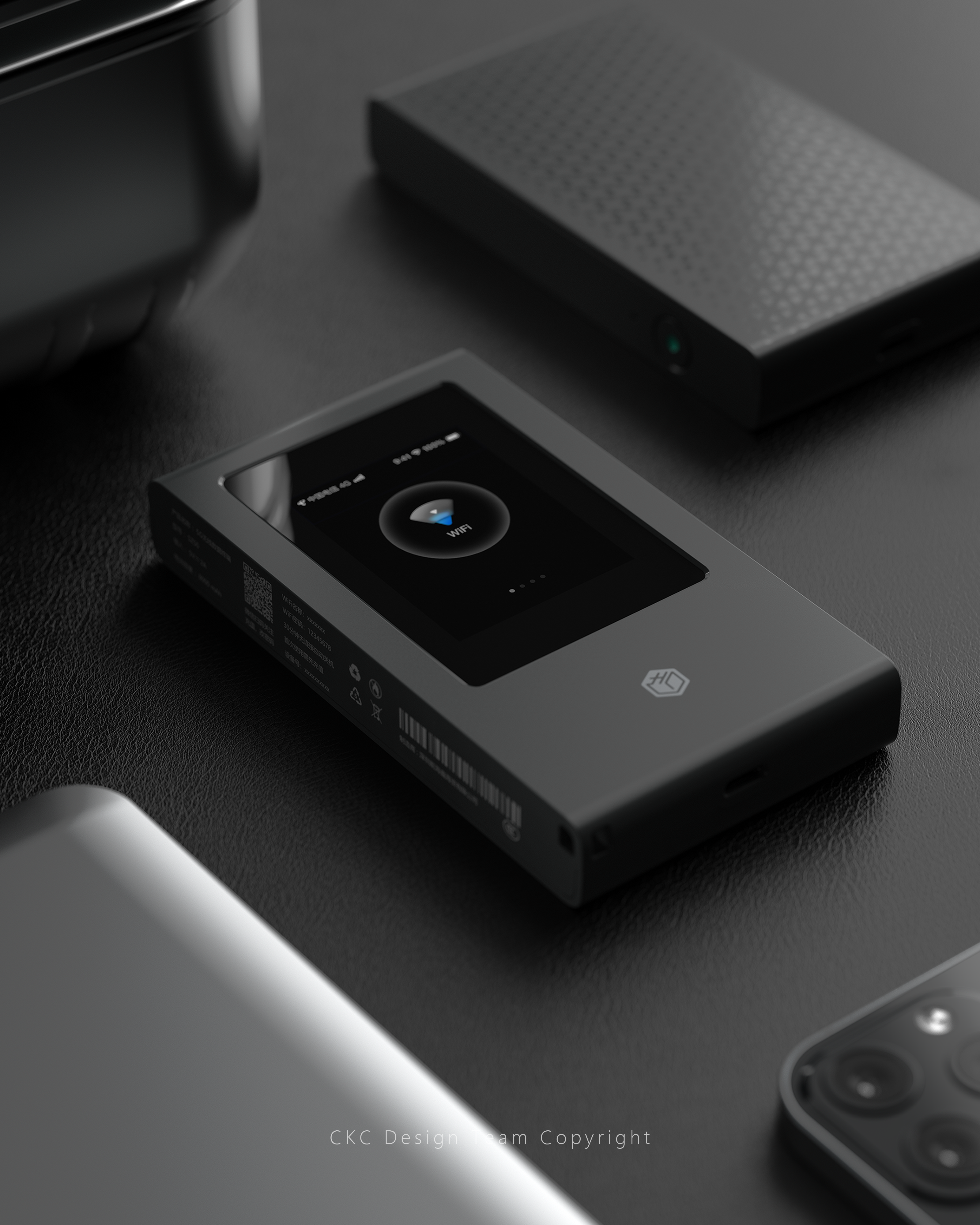
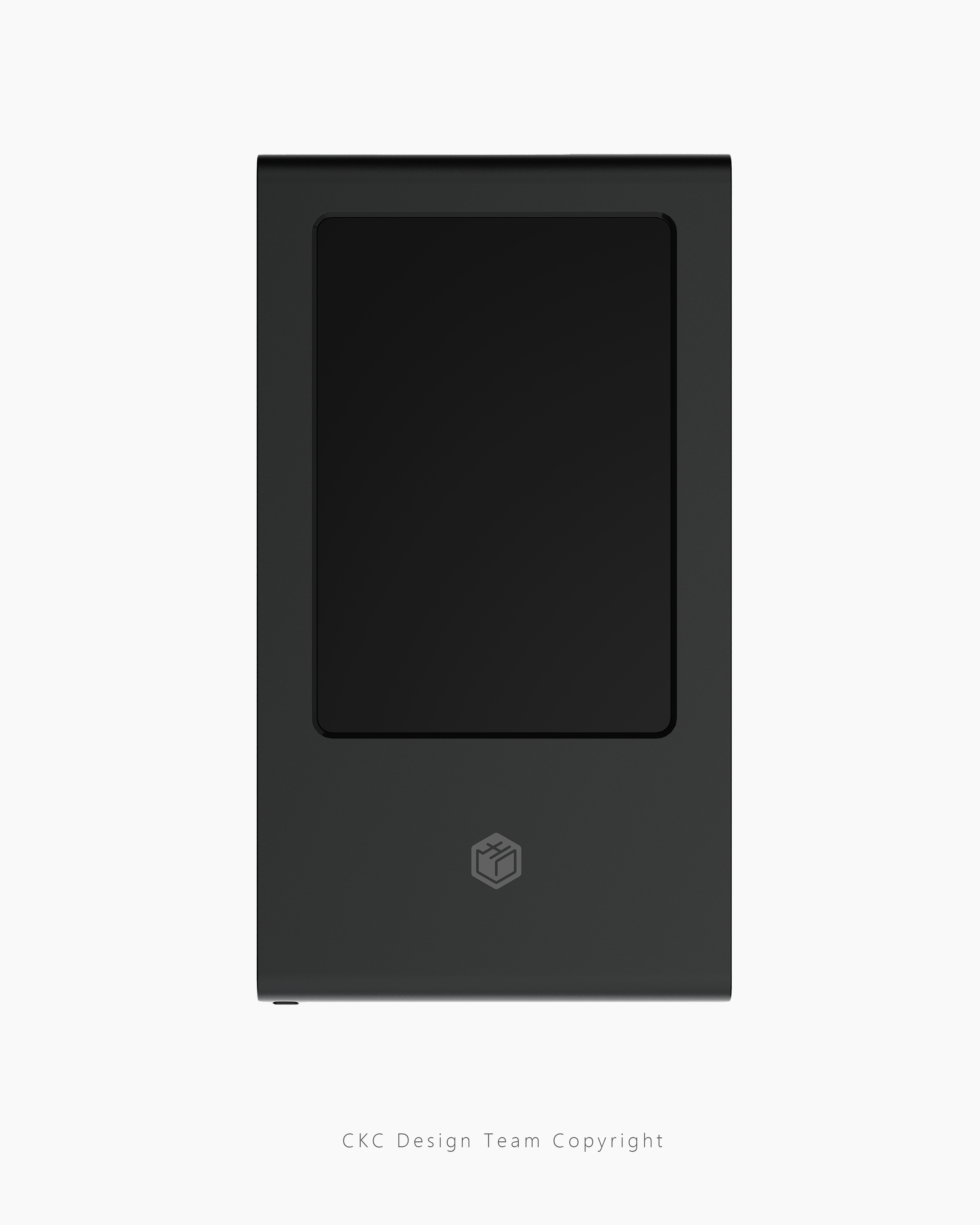
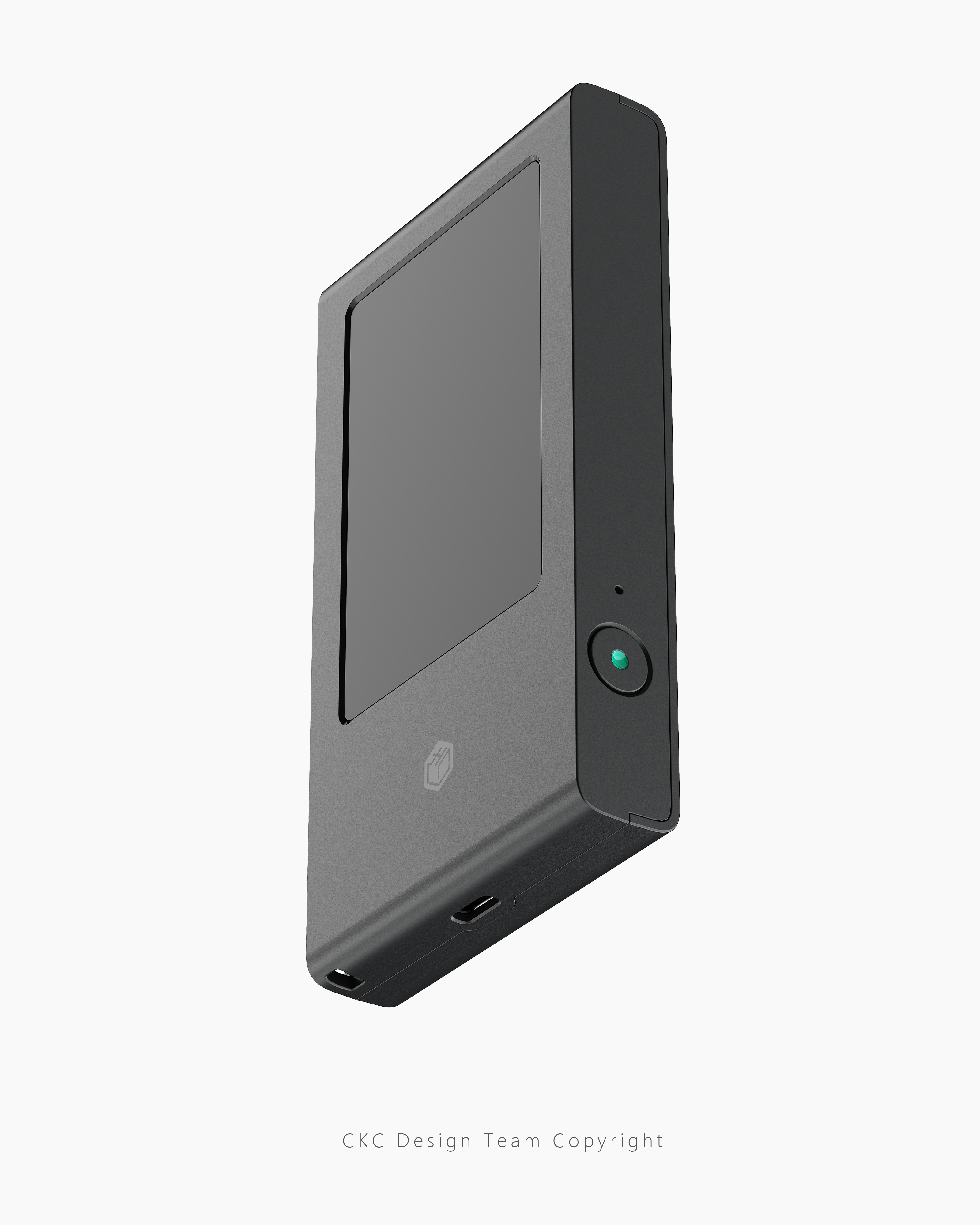
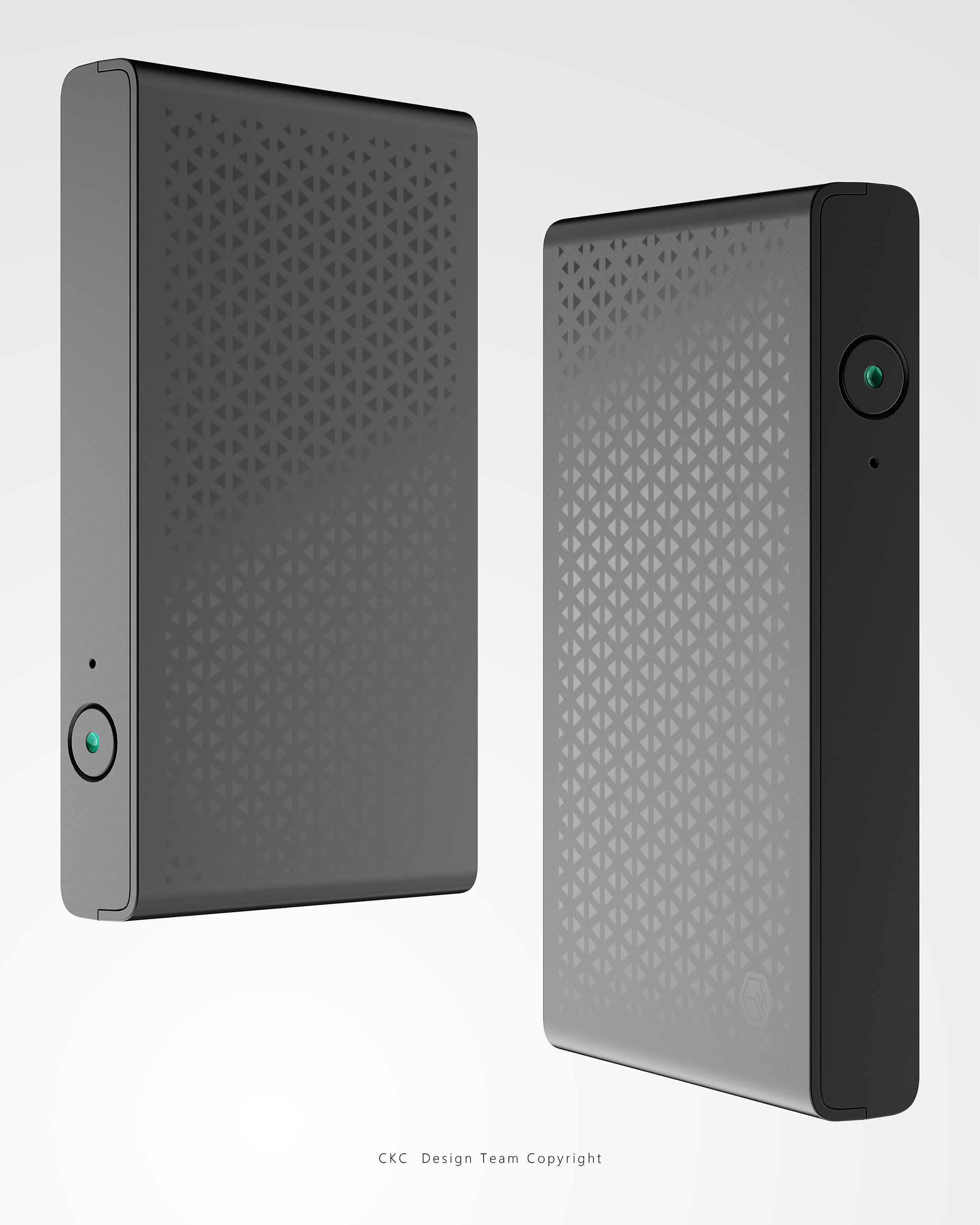
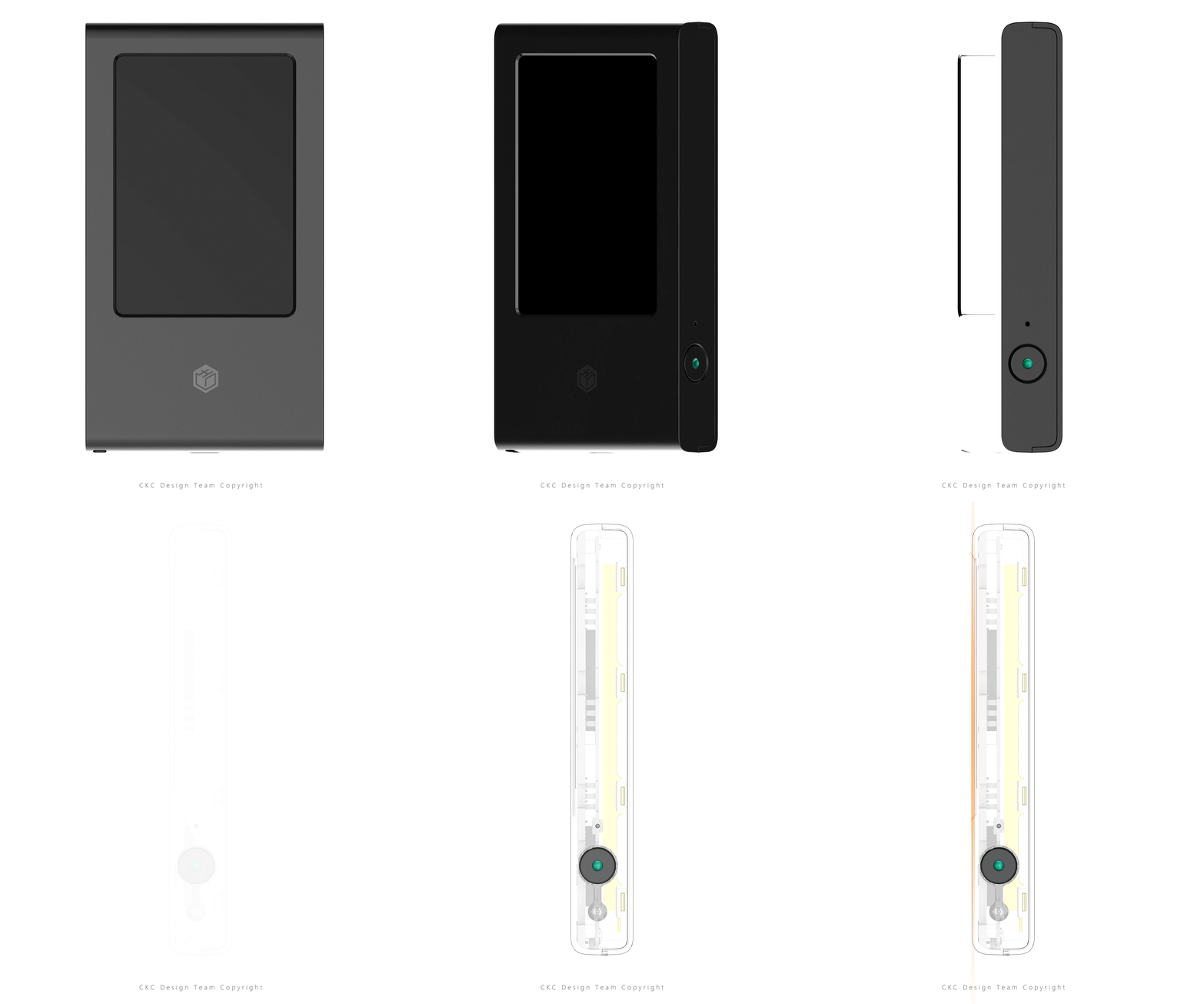
In the final landing plan, we adopted a styling style that is biased towards hard and square, and used the square stretch body styling similar to HiFi products as the main styling feature of the product. Under the tone of neutrality and universality, the product has a strong adaptability to male users who account for a larger proportion of Jingdong's user group.
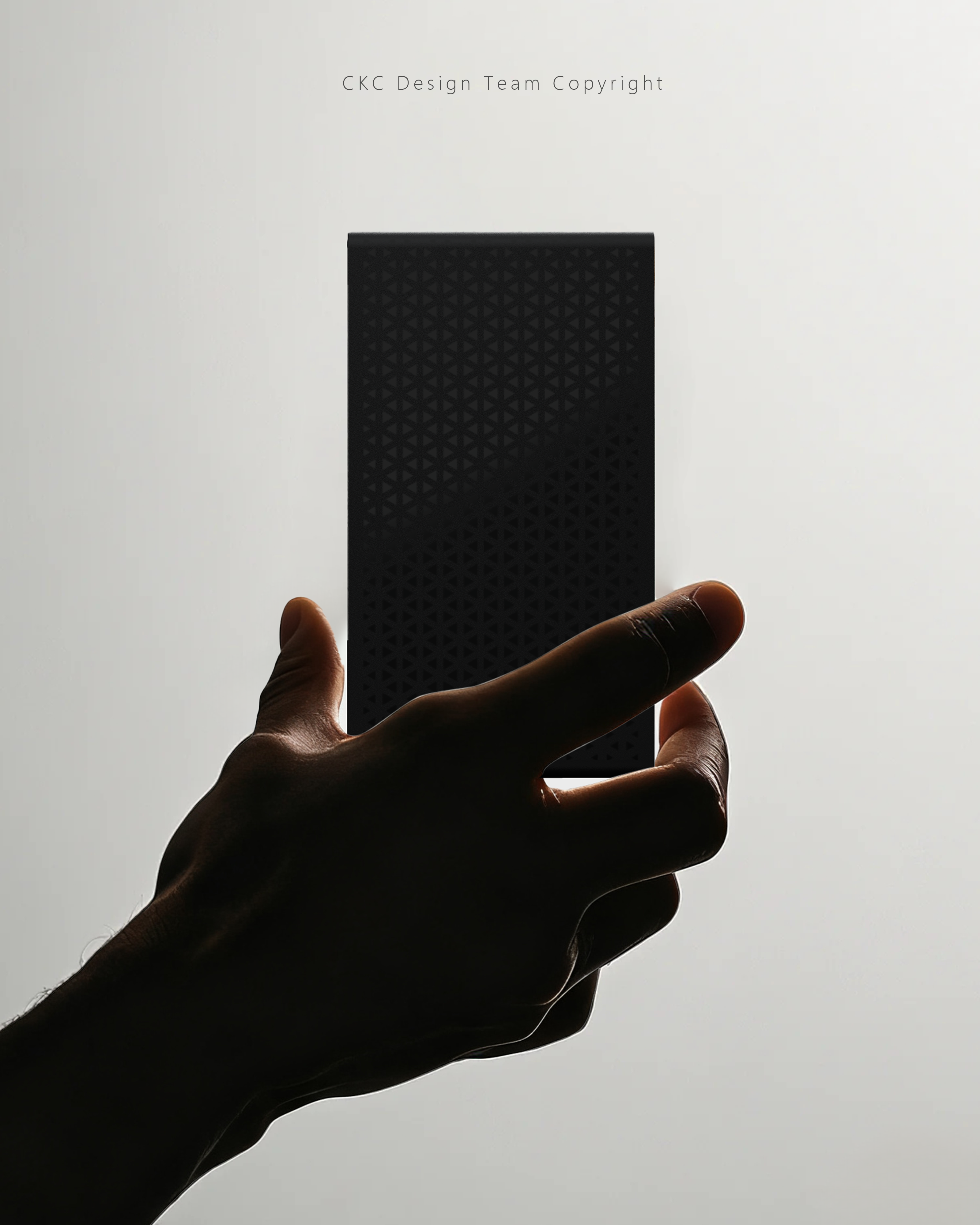
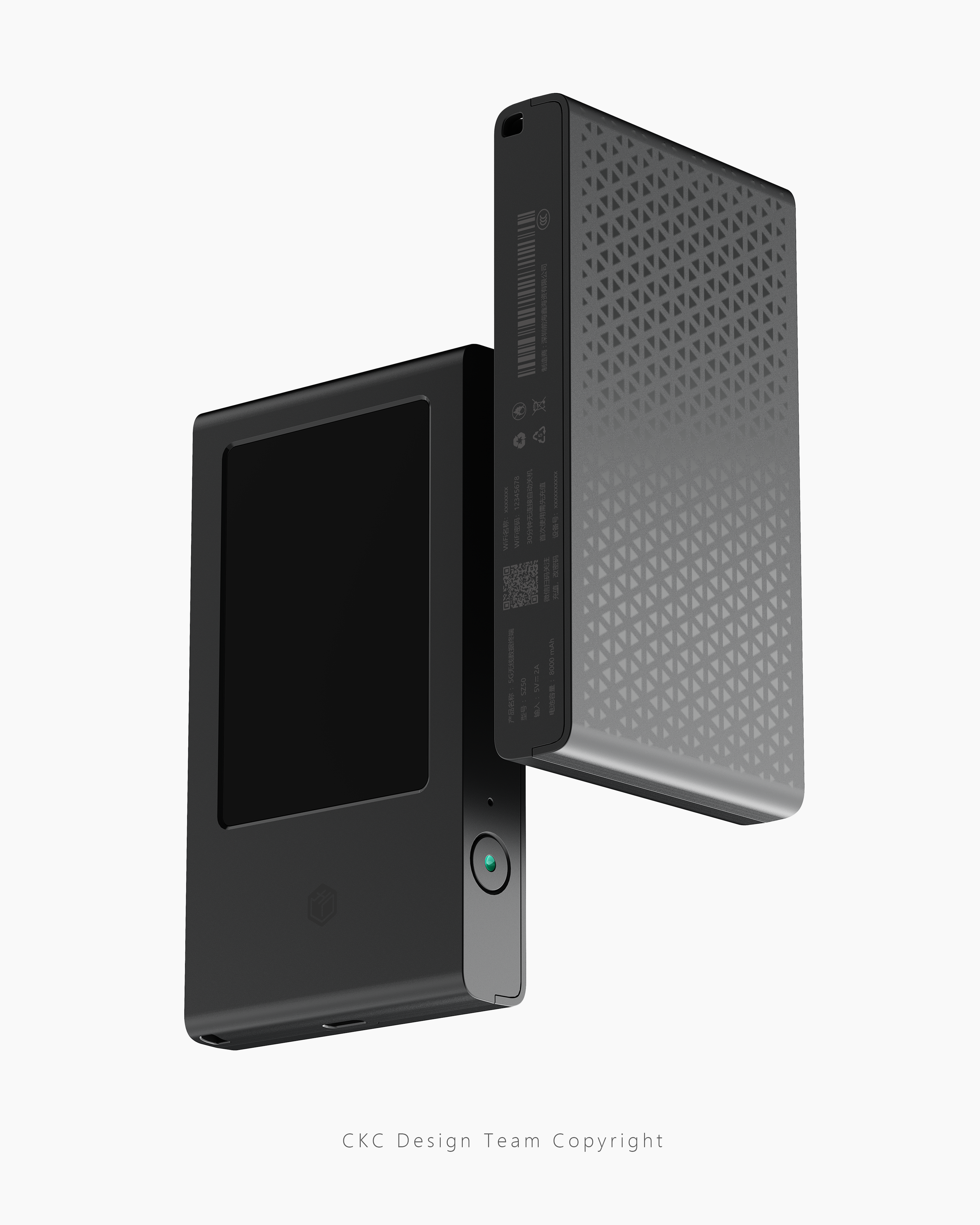
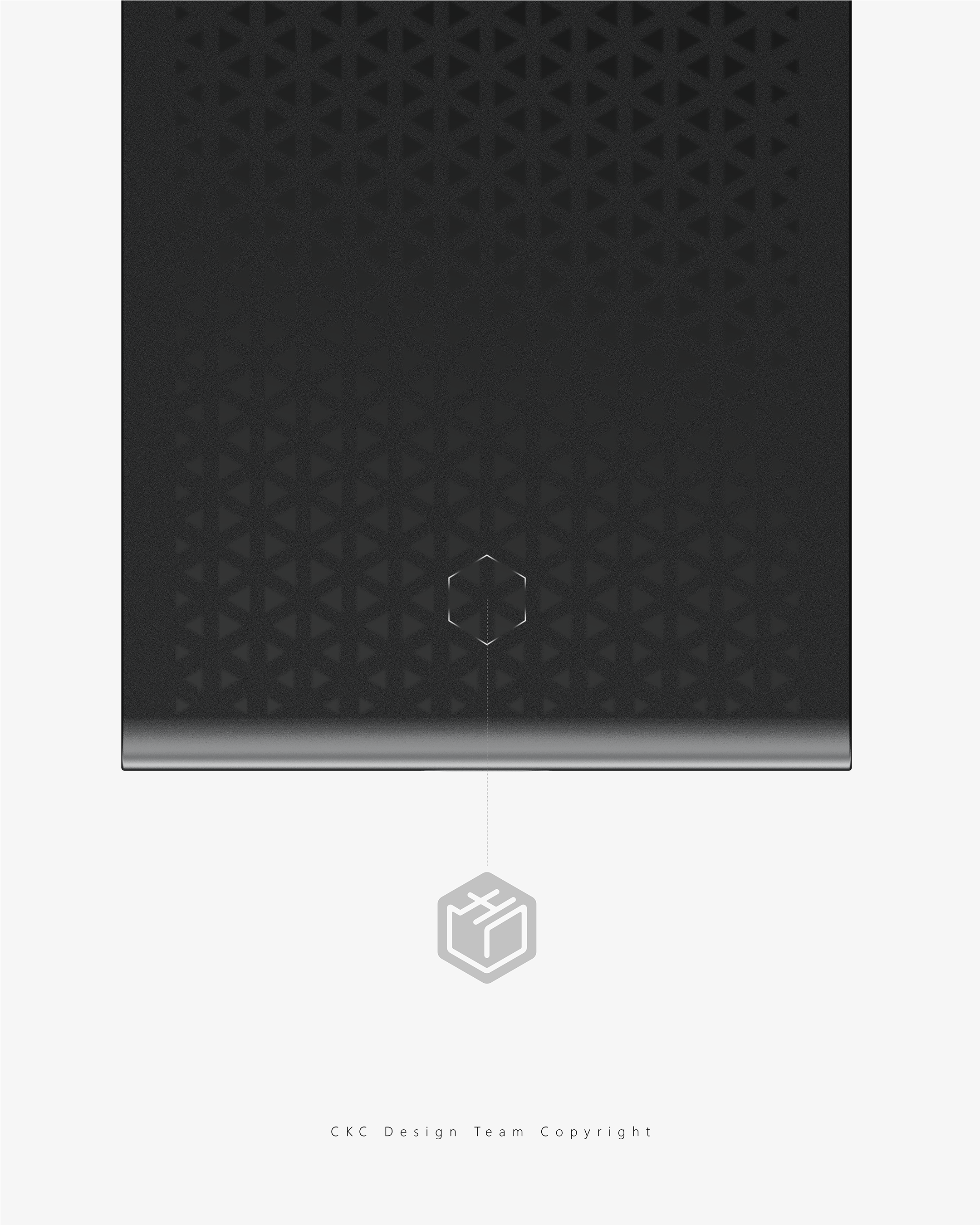
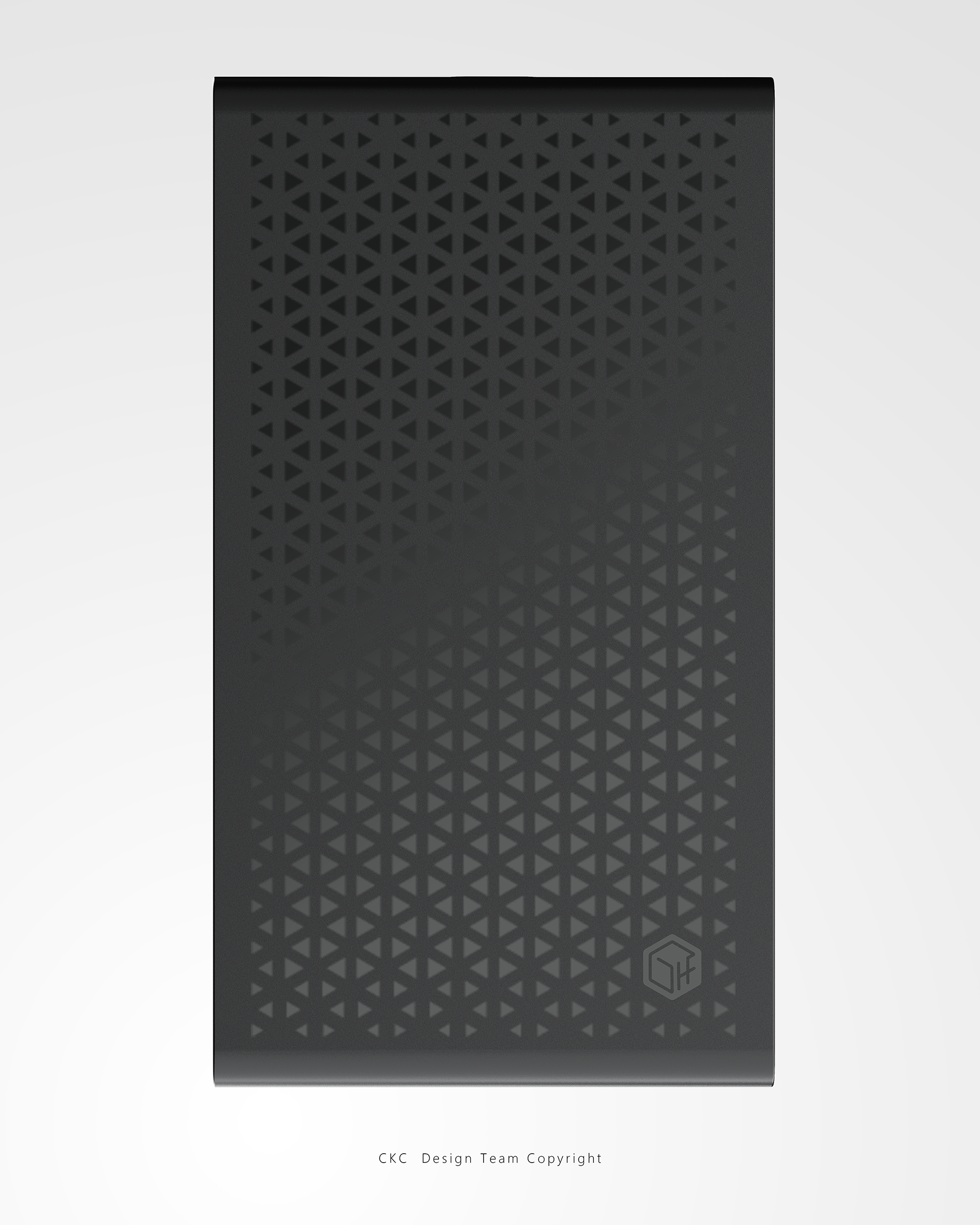
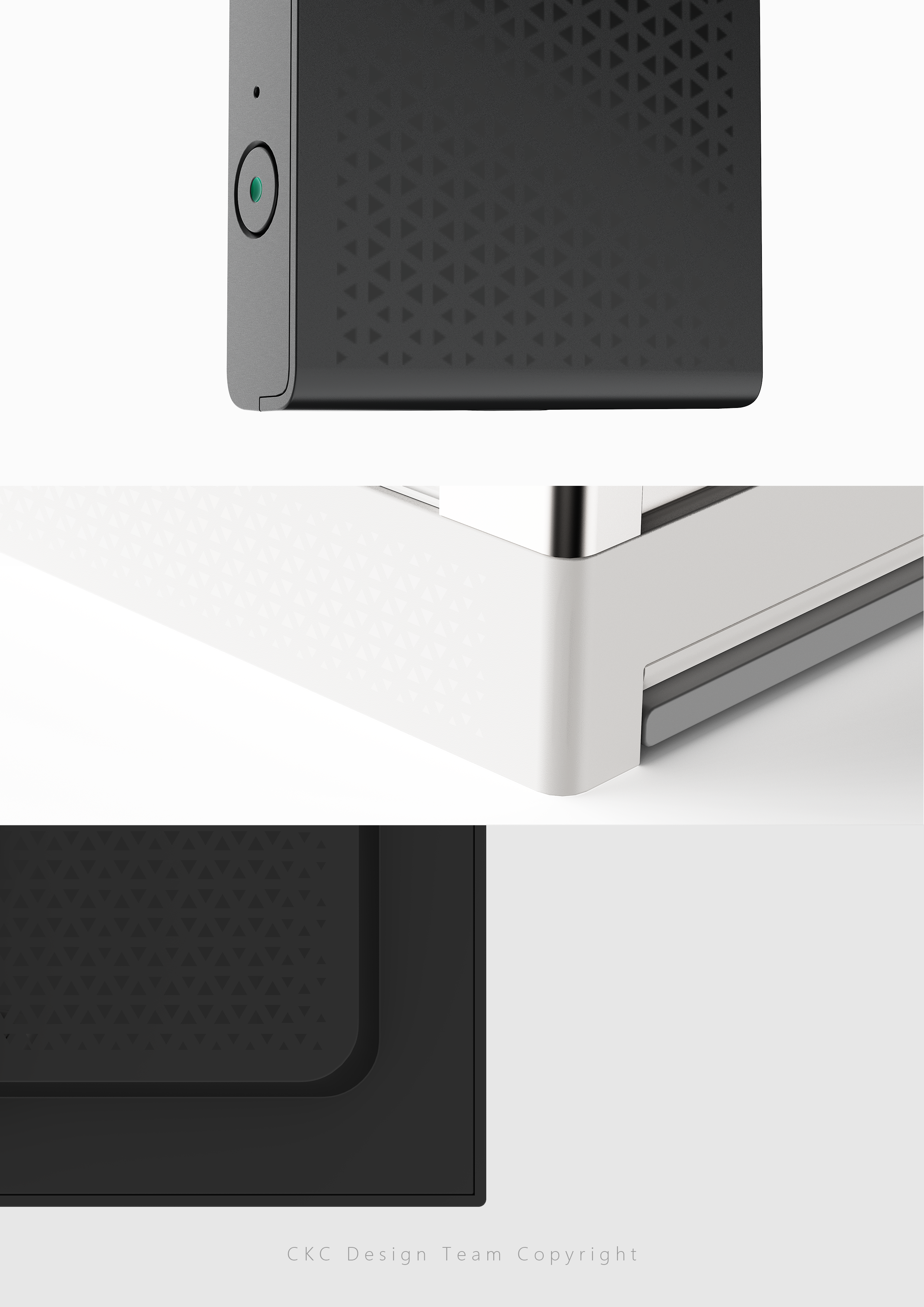
In the process of designing the back shell texture, we considered two processing methods. One is the pure triangular array texture in the final landing scheme, which forms a hexagonal shape echoing Beijing-made logo through a plane. In the earlier edition, we even considered the transitional presentation of logo hexagon mark and triangle pattern, intending to strengthen the more dominant correlation between texture elements and brand symbols. However, considering that the logo has been printed on the front of the product, we finally agreed that the texture of the back shell only needs a more implicit treatment.


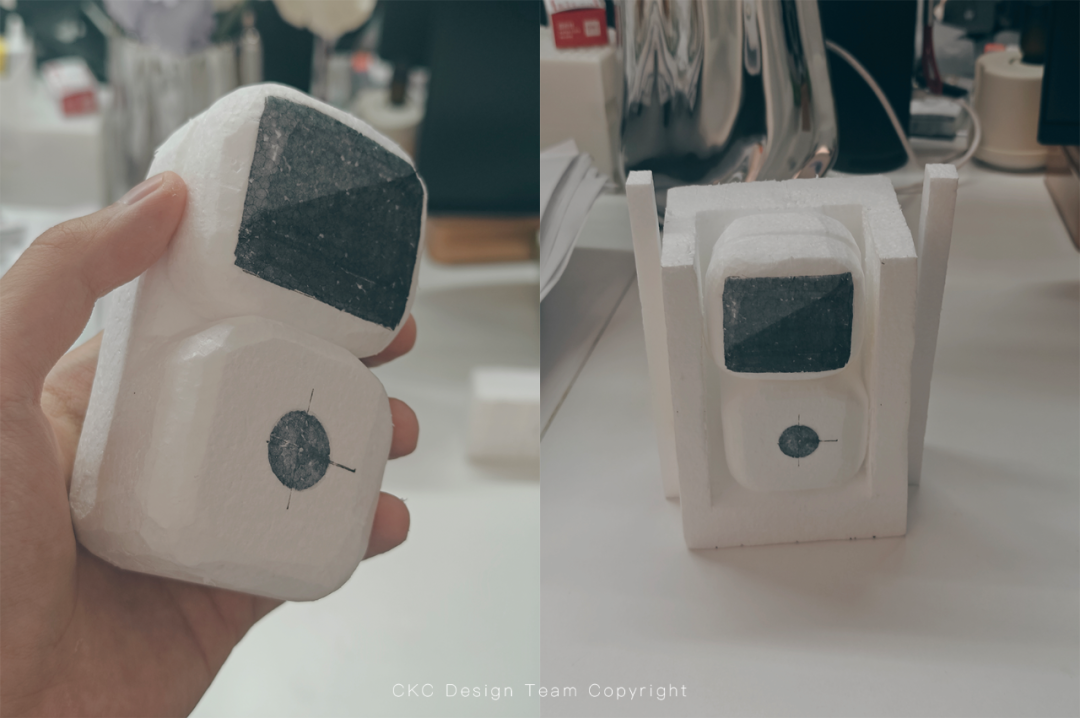
Considering that the main interaction of portable WiFi products is completed through screen touch in the process of using, and physical keys are more only used for switching on and off, we prefer interest and story in considering the location of keys: we refer to the location and form of camera keys of mainstream cameras, A physical button in the form of "camera shutter key" is given-considering that the large usage scenario of this category of products will be during the journey, a WiFi device that looks more like a camera from the front may give consumers more pleasure to carry out, while the behavioral memory of "pressing shutter key to remember this moment" can also give consumers unique emotional value when switching on and off the machine across the category.
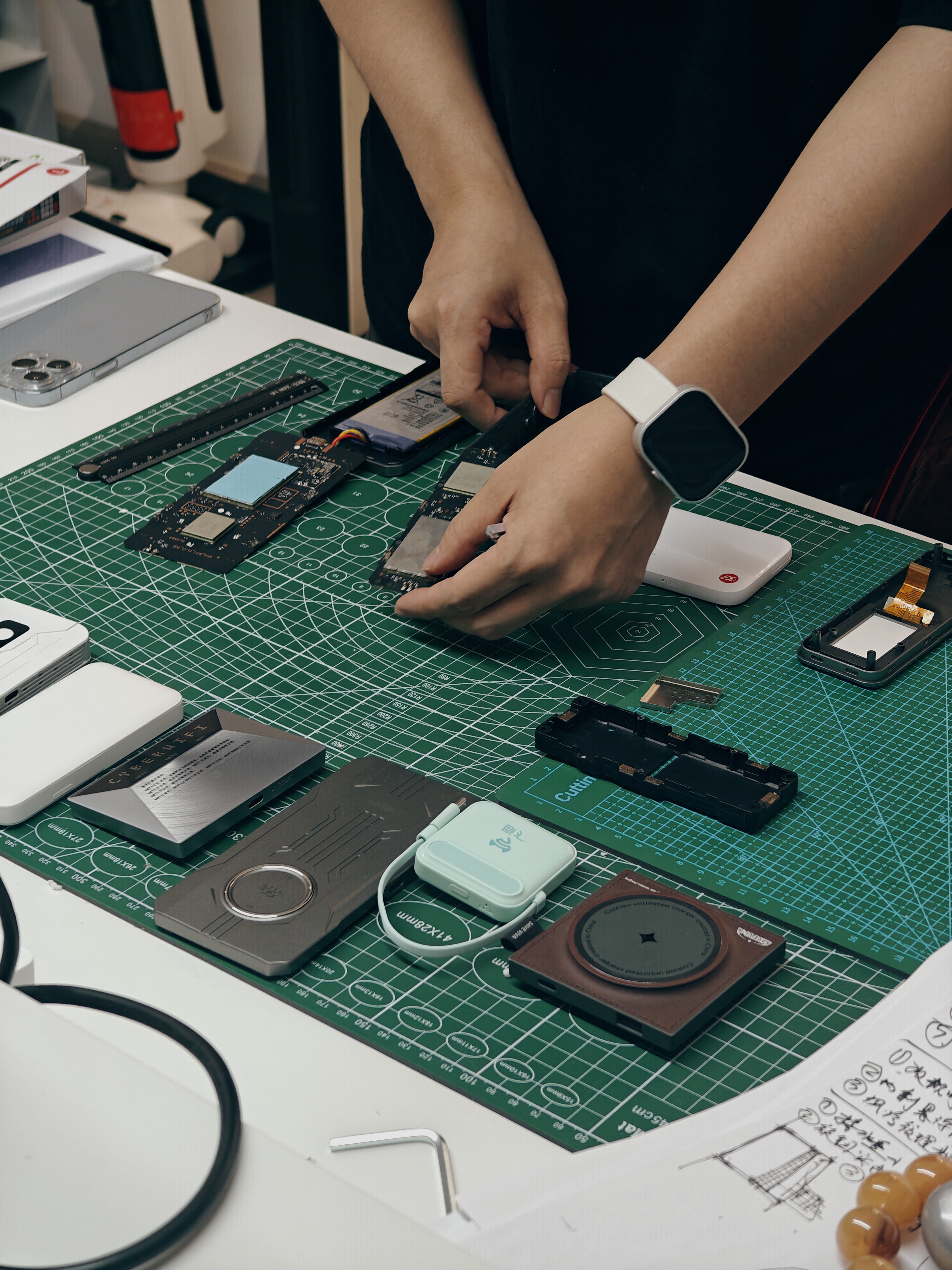
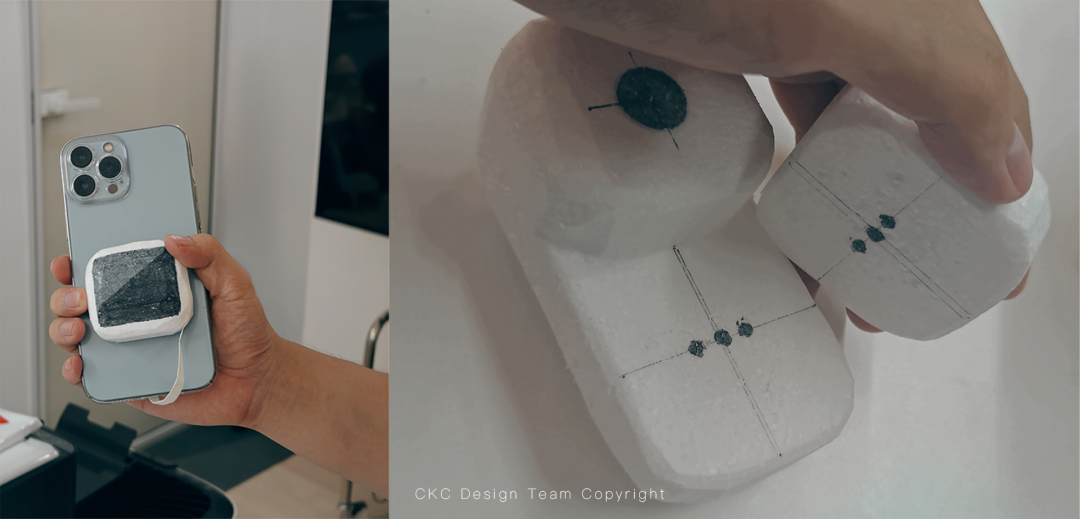
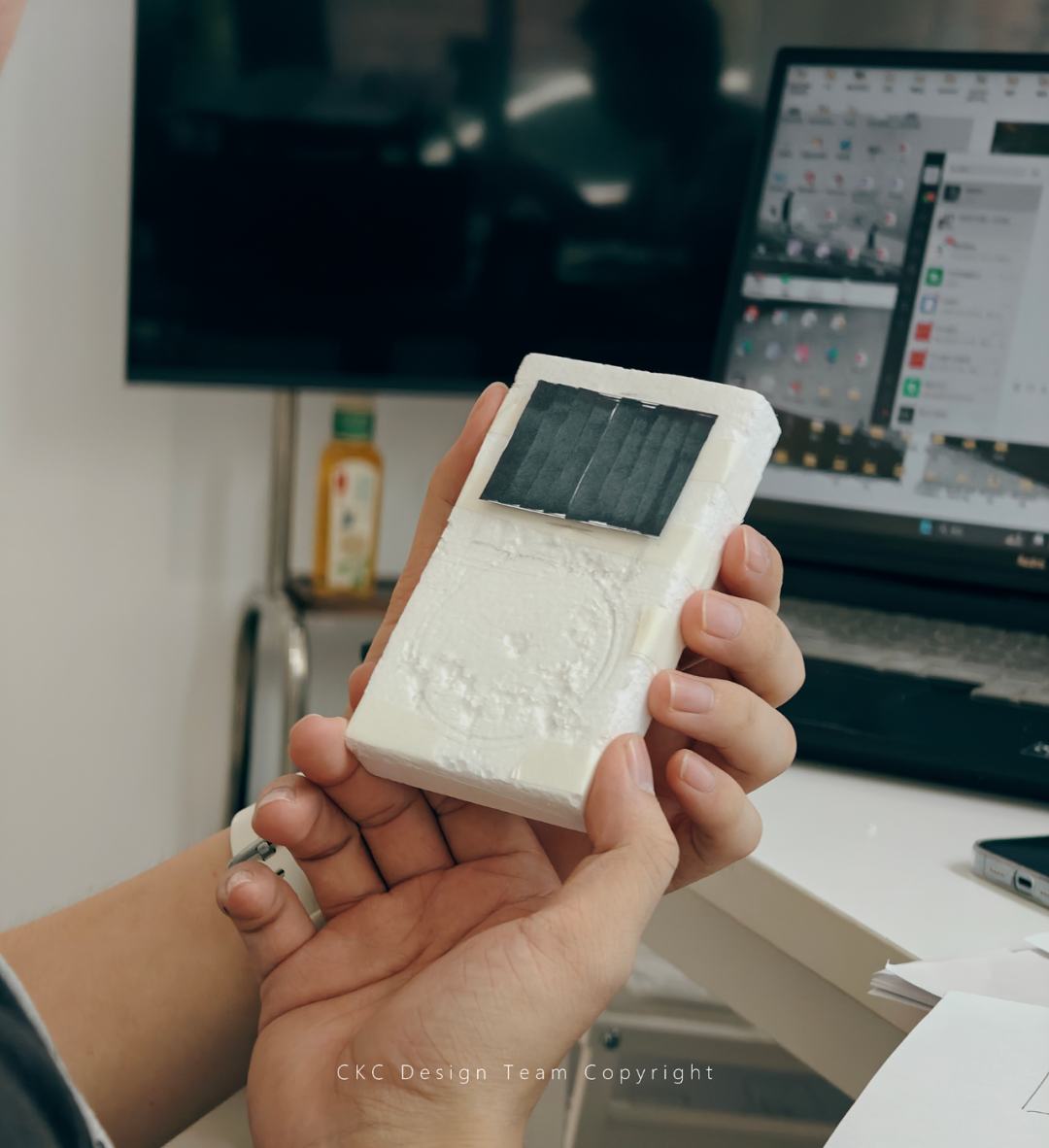
In view of such new key layout considerations, we have also made a physical experience evaluation to ensure that the product design scheme is intuitive and reasonable in use and can still provide smooth use experience under the new design form.


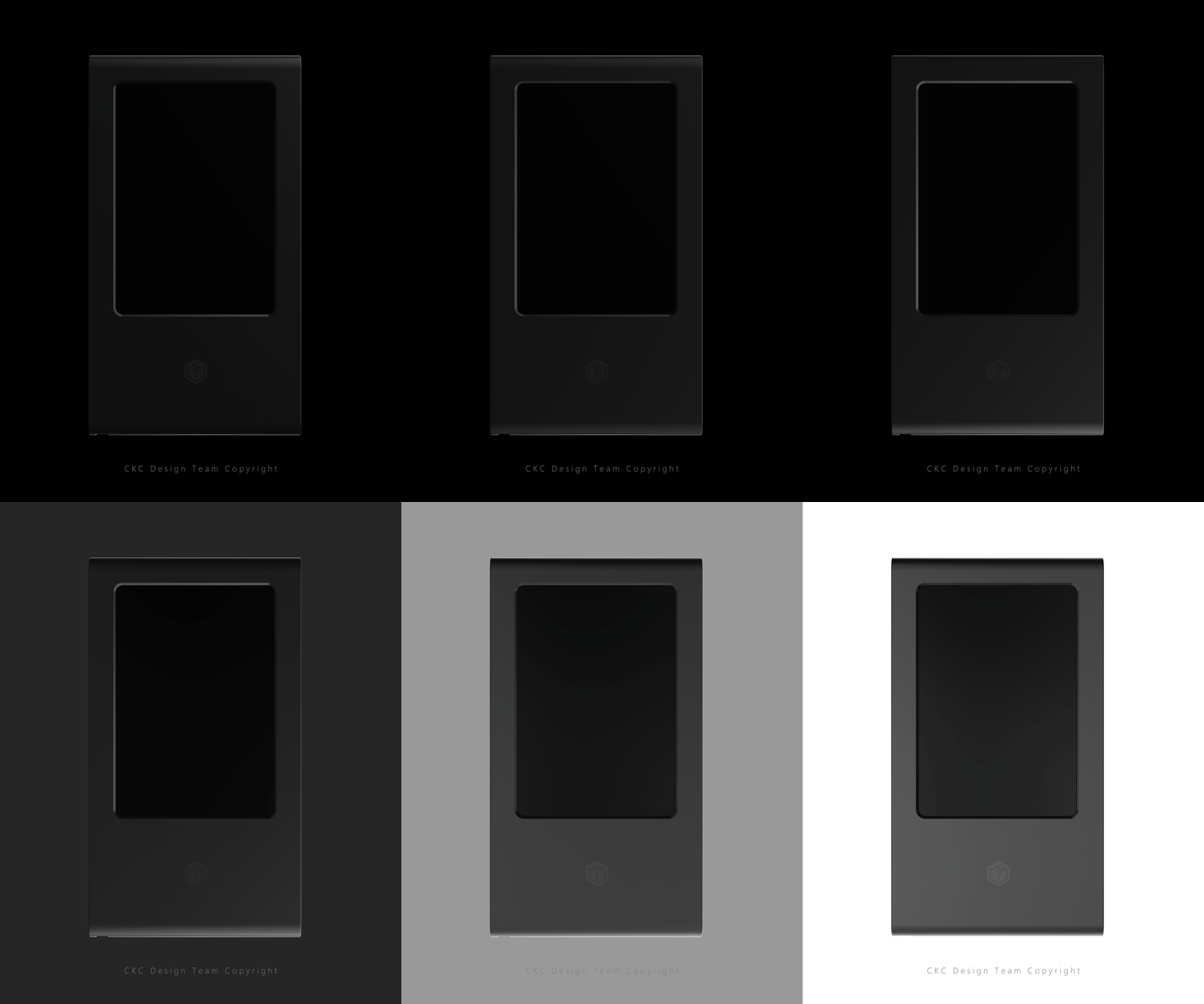
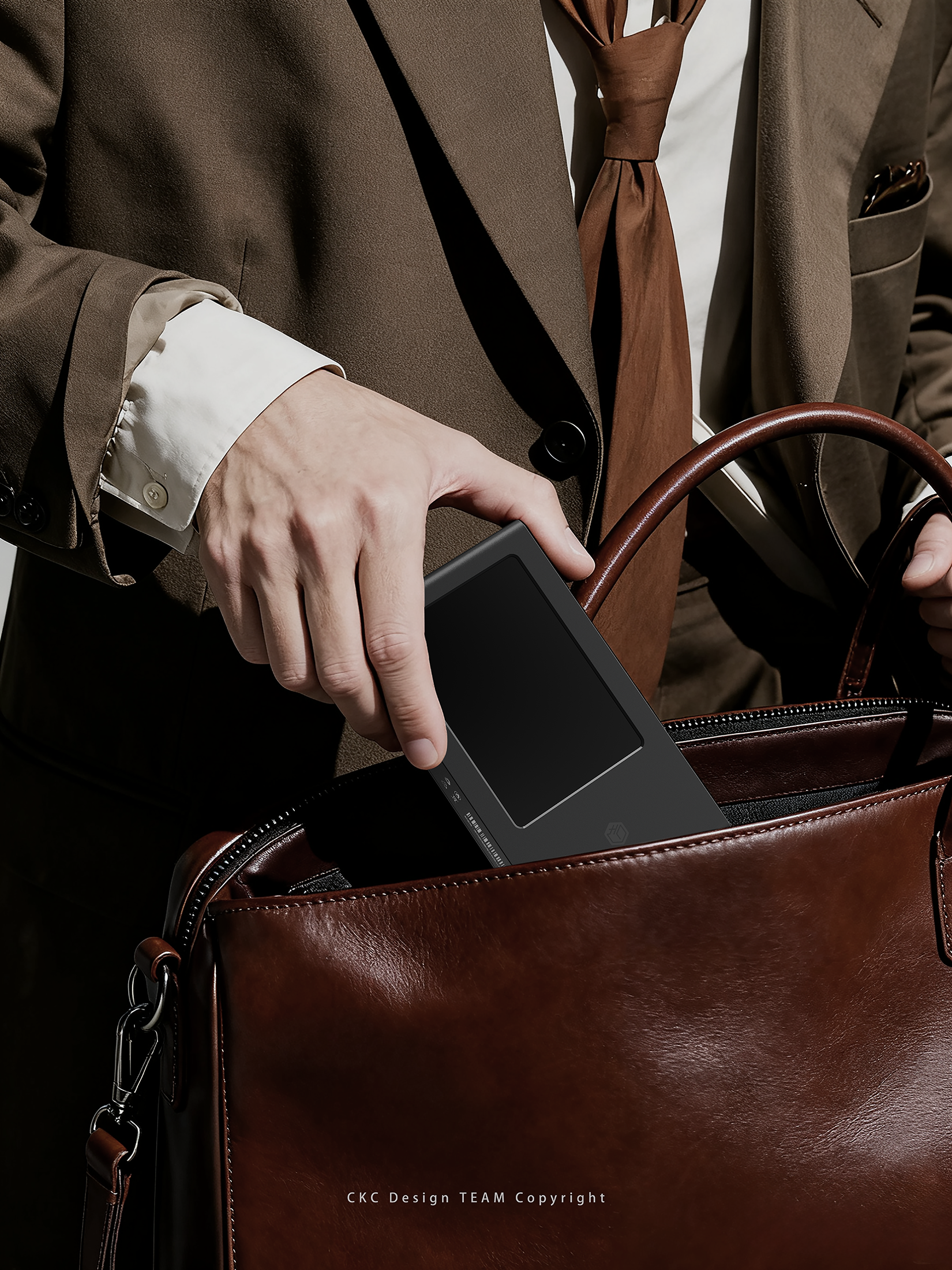
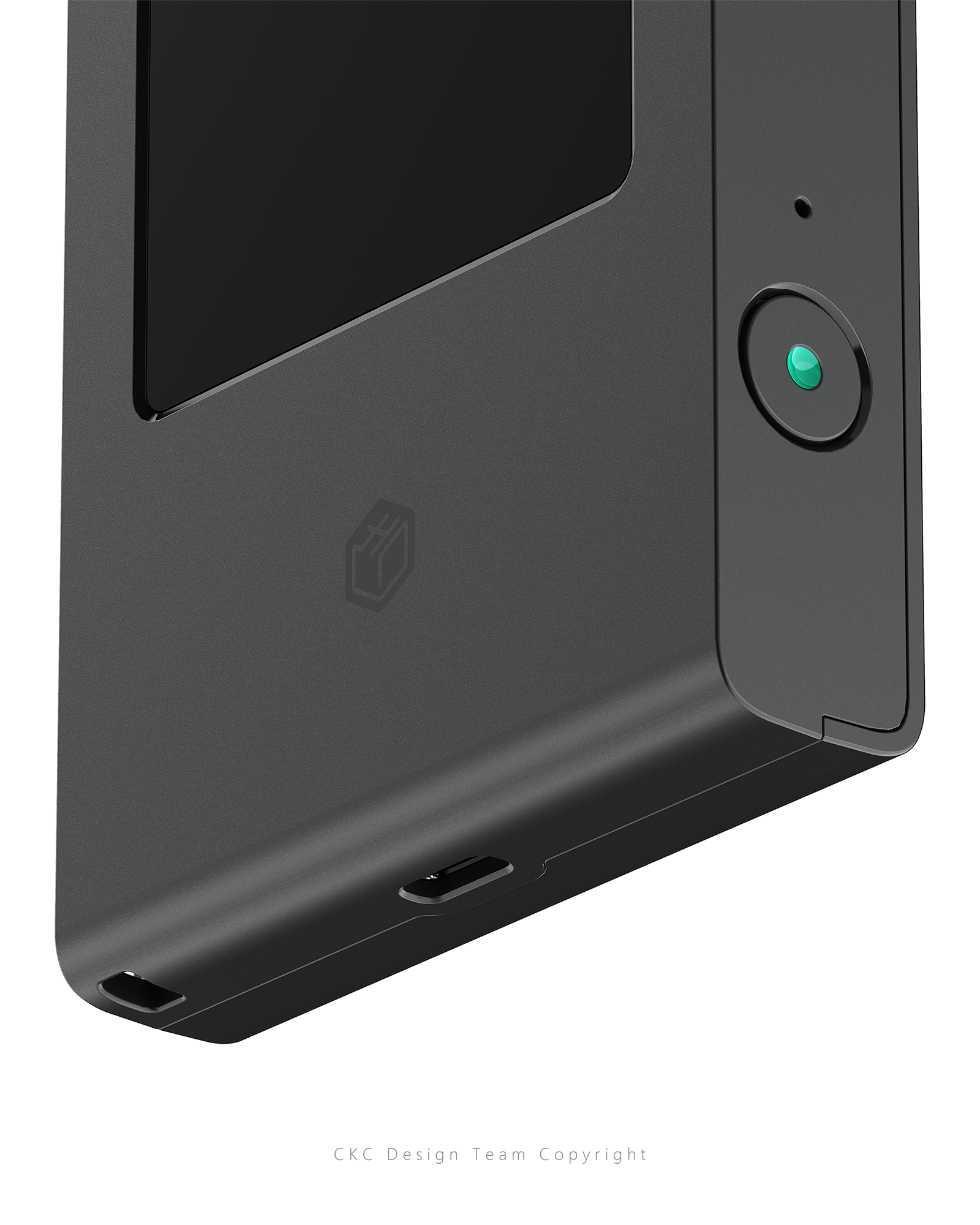
Considering that a large number of portable WiFi products are stored in the bag or placed flat on the desktop during use, we have given the product a small detail in the design: we have treated the screen with an inner recess of 0.5mm, so as to avoid to the greatest extent possible scratches caused by the screen when the product is placed flat on the desktop and the potential risk of accidental touch when stored in the bag.
In order to match this concave feature, we have correspondingly given a circle of injection-molded smooth hypotenuse details around the edge of the screen, giving the product a richer level of detail texture.
In order to match this concave feature, we have correspondingly given a circle of injection-molded smooth hypotenuse details around the edge of the screen, giving the product a richer level of detail texture.
"03 Conclusion 」
The most attractive thing about design services is that there will be no established standardized methodology in each project, and we will try to play different roles in different projects. In the cooperative relationship of this project, we are more inclined to a consultant role that actively assists Party A to focus on needs. At the same time, we start from the two dimensions of business strategy and user experience opportunity points. At the beginning of the project, we give our clients as divergent and visual product opportunity points as possible, and gradually focus as the project progresses. This process is a process of continuous trial and error and verification, as well as a benign process of continuous adjustment and optimization of product planning solutions.
As our first project involved in the 3C product category, the output of this project clearly reflects the symbolic bond between products and brands, which is quite encouraging. In all our projects, we will spare no effort to pursue rational differentiation that can really solve problems. Sometimes we will lead to new product definitions and product forms, and sometimes we will fall into some details that go deep into experience or cognition. No matter which direction we take, we all believe that this is the unique value of industrial design and innovation across category differences.
This product has been listed on the Jingdong platform, and we are very much looking forward to the success of our client in this product. At the same time, the texture elements we refined for the Beijing-made team are also widely used as consensus standards in different projects in subsequent cooperation. We look forward to witnessing more successful landing cases worth sharing with us.

Design Team
Kai Chen, Yilang Meng, Dafa Pan
Client
JD Make
Cooperate
Praise Technology
About Us
CKC is a cross‑disciplinary, innovation‑driven design firm that offers multi‑category, diversified design services. Our core team members all come from top-tier, Fortune 500 companies in the home appliance industry. With an open mindset, we embrace innovative project collaborations across diverse categories, while consistently upholding a long-term, value-driven approach throughout the process. We aspire to emerge as a professional, innovation-driven design firm, delivering cutting-edge, forward‑thinking solutions across every industry.
Opportunity
If you’re looking to explore more disruptive, forward‑thinking innovations in your future product roadmap—innovations that can be systematically translated into enduring, long‑term value—or if you’re refreshing and iterating your product lines and need to establish a unified family‑brand Product Identity (PI) framework and translate it into cohesive, suite‑based designs, these are precisely the kinds of projects we excel at and eagerly anticipate. Please reach out to us.
Contact Us
Chen Kai
Lead Designer and Project Management Director
kai_chan@foxmail.com
18675452915
Meng Yilang
Design Expert, Strategy Consultant
WeChat Official Account: CKC Design Lab
Little Red Book: CKC Design Lab






Hello, very interesting exploration, there are several design considerations to discuss:
1-For male users, why do you consider using larger rounded corners at the upper and lower ends? Have you ever considered using the form of full straight edges or full straight edges with tiny rounded corners? How is this specifically considered.
2-The position of the button combines the use of the camera, which is very interesting. Would you like to ask if you have considered a position closer to one-handed operation, similar to the form of mobile phone keys? How to choose this point?
2. We have considered that we have also done physical model verification, and the operation experience is more intuitive at the upper position. However, the operation logic of this product is to use the touch screen all the way after the physical key is turned on. A low-frequency key destroys the memory point of appearance in order to experience the extreme, which has become our final decision-making factor.
Excellent
very good
Convenient and practical